Table of Contents
TL;DR,
- The current El Salvador Bitcoin adoption plan involves purchasing one BTC daily, resulting in national reserves exceeding 2,000 BTC valued at over $150 million.
- President Bukele is leveraging cryptocurrency to offer financial inclusion to unbanked citizens and reduce reliance on traditional remittance systems.
- Despite criticism from the IMF and market volatility, El Salvador maintains a “hold” strategy, viewing Bitcoin as a long-term tool for national sovereignty and economic growth.
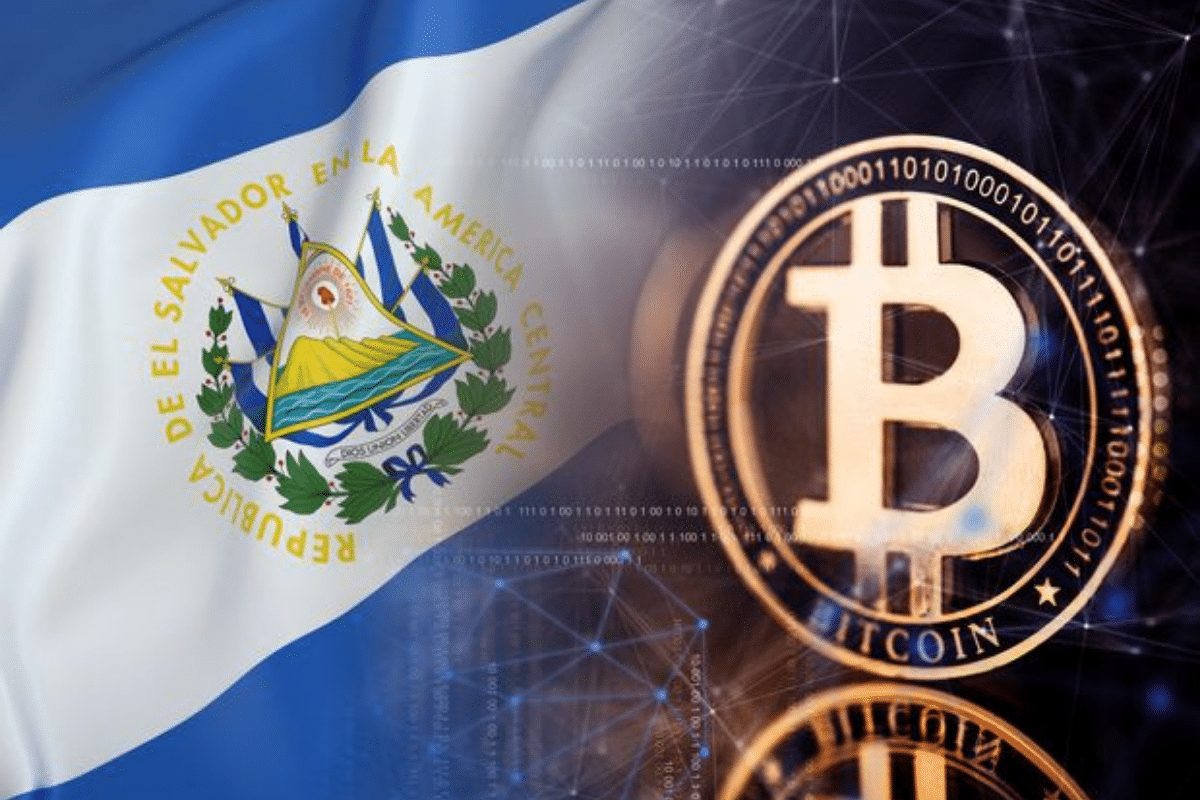
El Salvador’s decision to make Bitcoin legal tender is a giant change in the country’s economy. President Nayib Bukele is leading this brave move, which could make one of Central America’s smallest countries one of the richest in the world thanks to its growing Bitcoin holdings.
As of November 16, 2022, Bukele had started the El Salvador Bitcoin adoption plan for the country to get 1 BTC every day. The country now has more than 2,000 BTC, which is worth more than $150 million.
Even though people are criticizing it, the country is standing firm and won’t sell its Bitcoin reserves, even though the next halving event is coming up. This could mean more money for the country’s treasury in the future.
El Salvador Bitcoin Adoption The First of Its Kind
People in the industry, like Tim Draper from Silicon Valley, think that El Salvador’s unique approach to Bitcoin could change its economy in a big way in the next few decades. Draper envisions a future where the once impoverished and crime-ridden country transforms into a beacon of wealth and innovative ideas.
If the digital asset goes up to $100,000, the country’s plan to adopt it could help it pay off its debts to the International Monetary Fund (IMF). Furthermore, platforms like CrossFit see El Salvador’s financial model revolution, which was brought about by Bitcoin, as a way to become financially independent and grow from the inside.
Empowering Salvadorans Through Financial Inclusivity
The El Salvador Bitcoin adoption strategy goes beyond just collecting assets; it’s also helping to make its citizens more financially included. Bitcoin provides individuals previously isolated from traditional banking systems and reliant on remittances with a fresh opportunity to achieve financial independence.
This cryptocurrency lets Salvadorans get money from anywhere in the world with low fees, which connects them to the world economy.
Even though not many people are using it yet, there is a growing group of people who want Bitcoin to be more popular than traditional currencies like the dollar. This is especially true in places like Berlín, El Zonte, and parts of San Salvador.
The Strategic Hold: El Salvador’s Bet on Bitcoin’s Future
The country’s commitment to its Bitcoin holdings, even though the economy is struggling, shows that it has a long-term vision that goes beyond short-term financial relief.
Critics like Joe Nakamoto say that selling off the country’s Bitcoin reserves could give the country a short-term financial break, but it would hurt the country’s cryptocurrency initiative in the long run. The government’s plan shows that they believe Bitcoin could be a beneficial reserve asset. This move changes the financial landscape in a big way and sets an example for other countries that are thinking about using cryptocurrency.
El Salvador is a beacon for global Bitcoin adoption.
The country’s Bitcoin shift is about more than profit; it’s about leading by example. The expected launch of Bitcoin bonds, or “Volcano Bonds,” puts the country at the forefront of using cryptocurrency to help the country grow.
The world can learn from this project and the country’s ongoing commitment to Bitcoin as a way to promote financial freedom and new ideas. But President Bukele and his supporters are still determined to overcome problems, especially when it comes to teaching people the basics of Bitcoin.
The country’s Bitcoin strategy has effects that go far beyond its borders as it continues to chart its path in the global financial landscape. President Nayib Bukele’s innovative efforts to incorporate Bitcoin into El Salvador’s economy strengthen the country’s treasury and set an example for using cryptocurrencies to promote national growth and financial inclusion.
The country’s move into the world of cryptocurrencies is a brave test of how strong its economy is. El Salvador is adding Bitcoin to its financial system to make its economy more stable in the face of global financial instability.
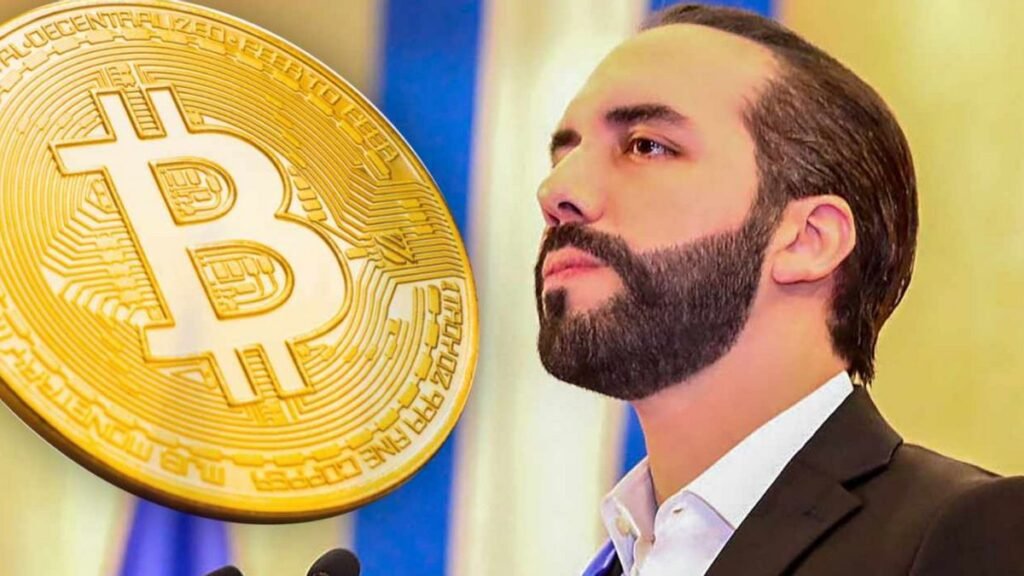
President Nayib Bukele, one of the first pro-bitcoin presidents.[Photo: Medium]
If the country adopts Bitcoin, it could have a ripple effect that makes other countries consider the possible benefits of cryptocurrencies. As other countries watch El Salvador’s journey with Bitcoin, including the problems and successes, it could inspire a wave of global crypto adoption. This scenario could lead to more countries looking into digital currencies as a way to improve their economies and make them more inclusive.
This trend could accelerate the process of cryptocurrencies becoming a part of regular financial systems, which could change how countries do business and set economic policies.
Navigating Challenges and Opportunities
The plan for El Salvador to adopt Bitcoin is full of unknowns, but the chances it offers are just as exciting. The country’s decision to hold Bitcoin shows that it believes the cryptocurrency will be worth more in the long run. But making El Salvador a rich, financially inclusive society will take more than just smart cryptocurrency investments.
To make sure that all Salvadorans can benefit from this digital revolution, it will take a lot of work in areas like education, building infrastructure, and making rules.
The world is genuinely interested in El Salvador’s first steps into the world of Bitcoin. The country’s experiment teaches us useful things about the pros and cons of using cryptocurrencies in a national economy.
El Salvador’s brave move into Bitcoin has already made it a landmark case study in the global financial narrative, showing how revolutionary digital currencies are and how they could help make economies more resilient and open to everyone.
Its Bitcoin plan aims to change the course of its economy and also to encourage people all over the world to accept digital currency and use Bitcoin in El Salvador. The future is full of promise and problems, and it will take a lot of work in education, innovation, and governance to get there.
The company’s story could signal the start of a new era of financial inclusion and prosperity, based on the revolutionary power of Bitcoin, as it continues to navigate this uncharted territory.