












TL;DR,
- With a circulating supply exceeding 102 billion, Tether’s integration of USDT on Celo creates a powerhouse for mobile-first, low-cost stablecoin cross-border payments, targeting financial inclusion.
- Celo’s phone-number-to-wallet framework makes sending USDT as simple as texting, eliminating traditional banking barriers and offering a sustainable, low-cost alternative to expensive Ethereum network fees.
- The USDT on Celo integration exemplifies strategic blockchain interoperability, bridging stablecoin liquidity with mobile-first infrastructure to democratize financial services for billions globally.
Tether announced plans to integrate its USDT on the Celo blockchain, placing the mobile-first network as a premier infrastructure for stablecoin cross-border payments. This strategic move will significantly improve Web3 security, compliance, and cross-border payment efficiency, marking a significant advancement in stablecoin utility and blockchain interoperability.
The Celo blockchain, known for its Ethereum Virtual Machine (EVM) compatibility and its ongoing transition to an Ethereum Layer 2 network, is at the forefront of facilitating seamless and cost-effective cross-border transactions. With its focus on Celo blockchain payments, the network is now expanding its suite of stable assets, improving its microtransactions and financial inclusivity.
The incorporation of USDT on Celo is expected to take place “soon,” according to a Tether spokesperson. Part of Tether’s extension plan across multiple blockchain platforms. The integration enables USDT mobile payments at scale, particularly benefiting users seeking low-cost remittance solutions.
Celo’s innovative framework, which links phone numbers to cryptocurrency wallet addresses and was launched in 2020, promises to revolutionize payment methods, making them as simple as sending a text message. Today, users can now send USDT remittances using Celo wallet infrastructure with less cost, faster output, and easy accessibility.
Celo’s arsenal of “Mento stable assets,” which already includes cUSD, cEUR, cREAL, and eXOF, will expand with the addition of USDT, providing new opportunities for remittances, savings, and lending.
USDT on Celo: Stablecoins now rival mobile payments.
The strategic collaboration between Tether and Celo is more than just a technical integration; it’s a step towards achieving global financial prosperity and accessibility.
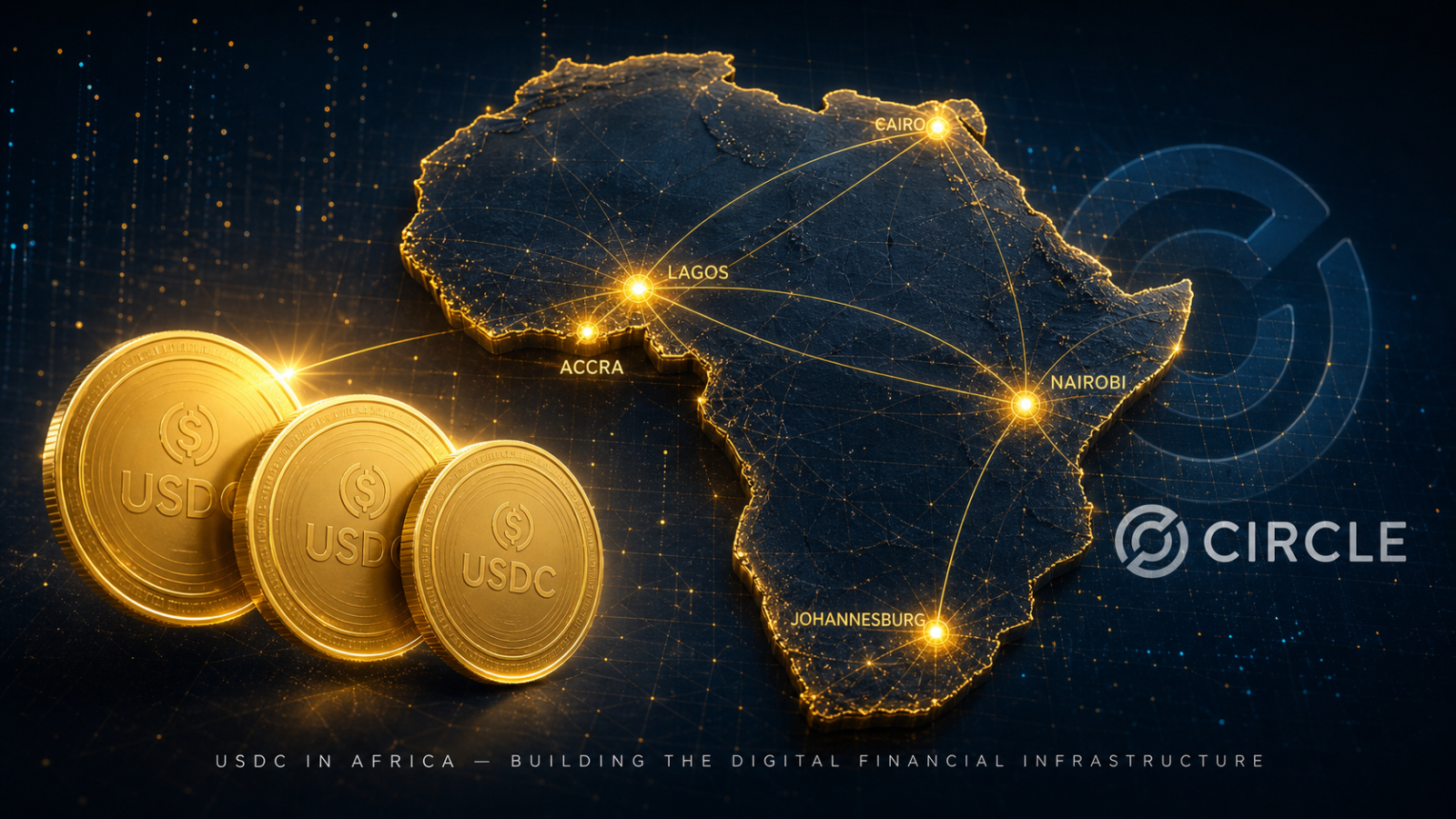
The main focus of Celo is global financial prosperity and accessibility with a keen focus on extending into Africa.
To streamline Celo blockchain payments, the platform will leverage USDT’s widespread recognition and stability. Their focus is on payments and lending, thereby facilitating smoother and more accessible financial services for users globally.
Moreover, as Tether’s circulating supply crosses the 102 billion mark, the decision to launch USDT on Celo reflects a conscious effort to support the growing demand for stablecoins that can provide secure and instant cross-border payments.
FOLLOW UP: Tether Pursues Big Four Audit Amid Africa’s USDT Growth
This move also aligns with the broader industry trend towards reducing dependency on traditional Ethereum network fees, offering a more sustainable and cost-effective alternative for users and developers alike. Ultimately optimizing Celo blockchain payments
This collaboration between Tether and Celo is more than just a noteworthy milestone in the cryptocurrency domain; it’s a testament to the evolving synergy between stablecoins like USDT and blockchain networks geared towards optimizing financial transactions on a global scale.

Ethereum Layer 2 (L2) on March 26, 2025.[Photo: Celo]
Enhancing Financial Accessibility Through Stablecoin Cross-Border Payments
A beacon of hope for billions of unbanked and underbanked individuals in Africa, the integration of USDT with Celo’s blockchain ecosystem promises to dramatically improve financial accessibility.
Celo’s mobile-first approach simplifies cryptocurrency transactions to something as easy as sending a text message, coupled with USDT’s stability and reliability. In some ways it’s a bridge between traditional financial services and the digital economy. The combination of USDT mobile payments and Celo’s phone-number-based wallet system creates an accessible onramp for African users.
[inline_related_posts title=”Thought you’d enjoy this.” title_align=”left” style=”grid” number=”4″ align=”none” ids=”” by=”tags” orderby=”rand” order=”DESC” hide_thumb=”no” thumb_right=”no” views=”no” date=”no” grid_columns=”2″ post_type=”” tax=””]
This initiative aligns with the broader vision of democratizing access to financial services, making it possible for users from diverse backgrounds to engage in savings, lending, and cross-border payments without the need for conventional banking infrastructure.
Streamlining microtransactions and cross-border payments
One of the standout benefits of this partnership is its potential to streamline microtransactions and facilitate seamless cross-border payments.
Users can experience unprecedented efficiency in conducting small-scale transactions and sending remittances across borders, thanks to the stability and wide acceptance of USDT and Celo’s low transaction fees.

USDT on Celo promotes economic activities within decentralized ecosystems, exemplifying a well-known dream for cryptocurrencies to one day replace mobile payments in Africa.
Fueling Microtransactions and DeFi
The decision to launch USDT on the Celo blockchain also highlights a forward-thinking approach to blockchain interoperability. As the crypto ecosystem continues to mature, the ability of different blockchain networks to work together seamlessly is becoming increasingly crucial.
This collaboration exemplifies how stablecoins can serve as a bridge between various blockchain platforms, enhancing liquidity and facilitating smoother transitions across different digital assets. Moreover, it sets a precedent for future partnerships and integrations that could further bolster the cryptocurrency market’s infrastructure, promoting stability, security, and user-friendliness.
In conclusion, the integration of Tether’s USDT stablecoin onto the Celo blockchain represents a pivotal moment in the evolution of digital currencies. It underscores the importance of strategic partnerships in advancing financial inclusivity, blockchain security, and the efficient facilitation of microtransactions and cross-border payments.
As Tether and Celo join forces, the crypto community eagerly anticipates the wide-ranging impacts of this collaboration, potentially setting a new standard for stablecoin applications and blockchain interoperability in the digital age.
Discover more from Web3Africa
Subscribe to get the latest posts sent to your email.
You must be logged in to post a comment.