








Featured 4

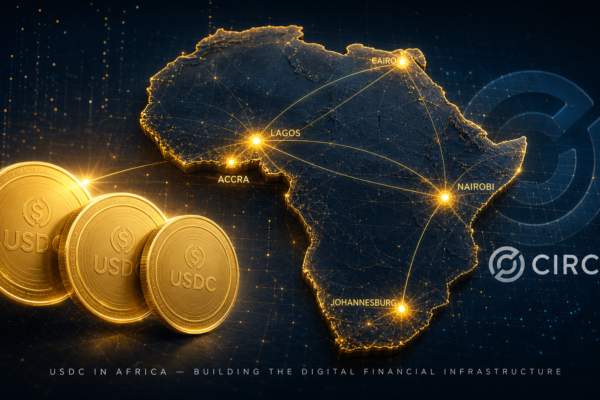
Circle’s 8-Month Blitz to Dominate African Stablecoin Payments

In less than eight months, Circle has spread its own stablecoin, USDC, to more than 40 regions in Africa. The company is delivering on its promise to revolutionize cross-border payments through strategic alliances like Sasai Fintech, Thunes, and Onafriq. Here is the substantial, quantitative impact of stablecoin payments on Africa’s financial ecosystem, decreasing settlement times from half a day to mere minutes and reducing expenses by up to 30%.

Read More
Featured 3

The High Cost of Being Africa’s First Public Bitcoin Treasury Company

Africa’s first company to adopt a Bitcoin treasury strategy has had its founding leadership decapitated by South African regulators. The FSCA has issued 20-year debarments and R10 million in penalties for share price manipulation. With the architects of the strategy sidelined, the future of Africa Bitcoin Corporation’s ambitious dual-engine model hangs in the balance.

Read More
SouthAfricaCompliance

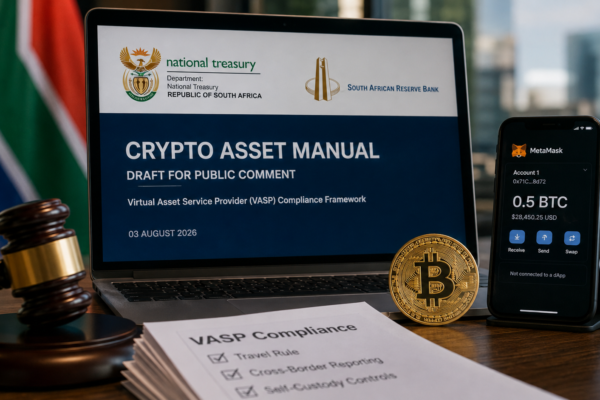
South Africa’s Crypto Exchanges Face an Impossible Compliance Problem

A South African crypto exchange receives a routine withdrawal request, 0.5 Bitcoin to a personal MetaMask wallet. Under draft rules, that transfer must be reported to FinSurv if the wallet is offshore. The problem? It’s mathematically impossible to definitively prove a private key’s location. This is the compliance nightmare facing South Africa’s crypto market

Read More
Africa Stablecoin digital payment

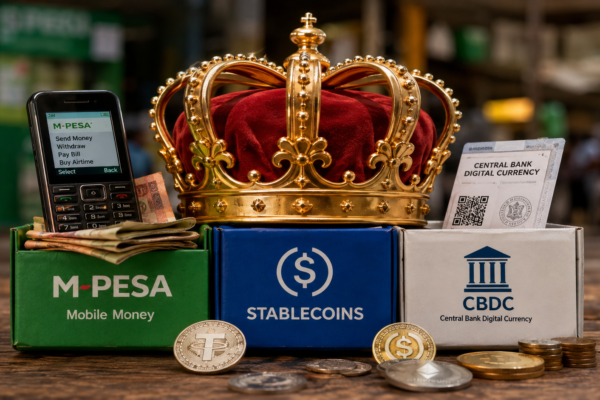
Nairobi Showdown: The High-Stakes Debate Over Africa’s Digital Payments

Stablecoins and CBDCs are challenging mobile money’s reign in Africa. With M-Pesa’s vast agent network, USDT’s dominance on platforms like Yellow Card, and the eNaira’s 98.5% inactivity rate, the future is unclear. This article explores the battle between distribution, speed, and sovereignty for the continent’s digital payments future. (364 characters)

Read More
Enable Notifications OK No thanks