







fsca-crypto-license

The 59 Chosen Ones: Who Secured South Africa’s First Crypto Licenses?

TL;DR,     Out of 355 total applicants, only 59 companies have successfully met the requirements to secure FSCA crypto licenses in South Africa’s first regulatory wave. The South African regulatory journey, starting in 2018, has evolved into a comprehensive framework that legitimizes crypto assets to protect consumers and prevent financial crimes. This regulatory move covers a…

Read More
EMURGO-Labs

Inside EMURGO Labs: Incubation, Technical Build, Compliance, and Funding Under One Roof

TL;DR,     EMURGO Labs offers full‑stack venture development for Cardano in Africa and MENA, collaborating with the UNDP SDG Accelerator that supports 40 solutions annually across two four‑month cohorts. The lab blends incubation, a technical studio, advisory, custom builds, and selective funding to help Web2 firms, Web3 teams, and governments adopt or scale on…

Read More
binance-naira-stability

The Naira Stability Gambit: Why Nigeria Blocked Binance, Coinbase, and Major Crypto Platforms

TL;DR,     Authorities blocked exchanges to protect naira stability as the currency hit 1,900 per dollar, yet data shows Nigeria ranks second globally in crypto adoption, suggesting bans may be ineffective against market forces. Government officials allege $26 billion in untraceable flows passed through Binance, prompting a severe crackdown to stop currency manipulation and prevent further…

Read More
crypto-mining-ban-angola

Grid Over Growth: The Real Story Behind Angola’s Crypto Mining Ban

TL;DR,     Angola’s crypto mining ban under Law No. 3/24 imposes up to 12 years imprisonment, driven by energy infrastructure concerns. Illegal operations consumed 9.6 MW daily—enough to power 3,000 households—destabilizing the fragile grid. Unlike Angola’s criminalization, South Africa licensed 138+ crypto providers, Nigeria requires ₦500M capital for VASPs, and Ethiopia earned $55M from…

Read More
private_fund_tokenization

Citi’s Big Bet: Inside the Private Fund Tokenization Proof-of-Concept

TL;DR,     Citibank’s private fund tokenization POC on Avalanche Spruce simulates the full lifecycle of a private equity fund in the $10T private assets market, testing issuance, secondary trading, and collateralized lending with automated, on‑chain compliance. Citi, Wellington, WisdomTree, ABN AMRO, and DTCC Digital Assets used Avalanche’s permissioned Spruce subnet to show how tokenized…

Read More
Ethereum_ERC404_token_standard_web3africa

Pandora’s Box Opened: A Deep Dive into the Ethereum ERC404 Token Standard

TL;DR,     The Ethereum ERC404 token standard is an experimental protocol that merges fungible tokens (ERC-20) with NFTs (ERC-721), generating over $100M in early trading volume by enabling dynamic, liquid NFT trading. This hybrid standard allows tokens to automatically mint unique NFTs when held as whole units and burn them when sold, creating native…

Read More
kenya_digital_asset_regulation_bak

How Kenya’s Community‑Driven VASP Bill Became Law

TL;DR,     The newly enacted Kenya digital asset regulation legalizes the industry, replacing a banking ban with clear rules that are projected to create 25,000 jobs and attract $1 billion in foreign investment by 2027. The Act introduces a dual‑regulator model, splitting oversight between the Central Bank of Kenya and the Capital Markets Authority, and sets…

Read More
zone-fintech

How Zone Fintech is building a regulated blockchain rail for African remittances

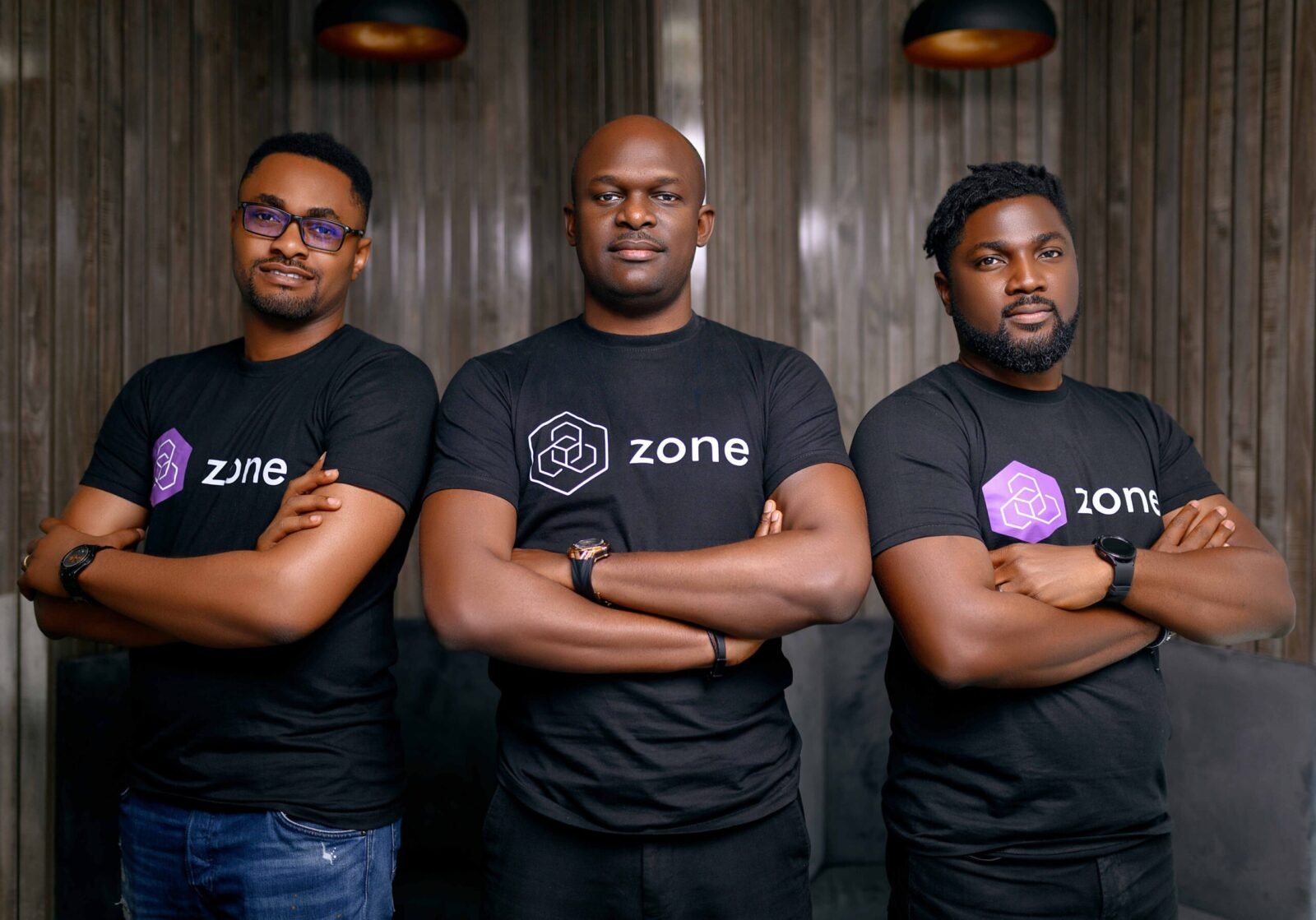
TL;DR,     Zone fintech, a regulated blockchain payments company, has processed over $689M across Nigeria. Its 2025 pilot aims to leverage this infrastructure to make cross-border remittances faster and cheaper for Africa. Instead of offering digital assets directly, Zone builds regulated blockchain rails for banks. Its focus on compliance and partnerships provides a template…

Read More
cngn-stablecoin-web3africa

Nigeria’s cNGN Stablecoin Launch: Charting a New Digital Currency Path Beyond the eNaira

TL;DR,     The cNGN stablecoin is Nigeria’s regulated, naira-backed digital currency that succeeded where the eNaira failed, surpassing 1 billion tokens in circulation by late 2025. Unlike the faltering eNaira CBDC, the privately-issued cNGN stablecoin focused on interoperability, fintech integration, and low-cost utility, driving rapid adoption across Nigeria. Backed by Nigeria’s National Blockchain Policy,…

Read More
Enable Notifications OK No thanks