







virtual-asset-association-of-kenya

VAAK: Kenya’s Answer to Building Africa’s Most Mature Crypto Ecosystem

TL;DR,     The Virtual Assets Association of Kenya serves as the unified bridge between Kenya’s crypto industry and regulators (CBK/CMA), handling advocacy, standard-setting, and education to prevent bottlenecks in VASP licensing and compliance. Kenya evolved from issuing Bitcoin warnings in 2015 and facing FATF grey-listing in 2024 to establishing comprehensive VASP regulations and VAAK….


Read More
morocco-crypto-regulation

Morocco Ditches Crypto Ban: Bill 42.25 Opens Door to $11 Billion Market

TL;DR,     With user adoption projected to hit 3.13 million by 2026, the new Morocco crypto regulation (Bill 42.25) officially replaces the 2017 ban with a structured, safety-focused framework. Modeled after Europe’s MiCA, the bill splits oversight between the AMMC (for token issuance and service providers) and the Central Bank (for stablecoins) to ensure financial stability….

Read More
financial-regulators-kenya

Kenyan Regulators Prioritize Consumer Protection, Vendor Risk Mapping, and AML/CFT Oversight

TL;DR,     At Kenya’s 16th annual retreat, seven financial regulators launched FinAccess sectoral reports (2006–2024) to steer vendor risk mapping, consumer protection, and AML/CFT.  Kenya’s new Virtual Asset Service Providers (VASP) Act of 2025 formally regulates the crypto industry, assigning joint oversight to the Central Bank and Capital Markets Authority to manage everything from…

Read More
sec-nigeria-efcc-cbn

United Front: SEC, CBN, and EFCC Form Alliance to Crush Crypto Scams

TL;DR,     SEC Nigeria, partnering with CBN and EFCC, is freezing crypto wallets to combat Ponzi fraud, which has cost Nigerians over ₦174 billion ($112 million). The new Investment and Securities Act 2025 (ISA 2025) gives SEC Nigeria the legal power to classify crypto as securities, monitor telecoms data, and impose severe penalties including 10-year prison…

Read More
kenya-crypto-law

How Regulation Is Turning Kenya Into Africa’s Next Blockchain Leader.

TL;DR,     As kenya crypto law nears enactment, Sub-Saharan crypto hit $205B (+52% YoY), underscoring urgency for licensing, taxation clarity, and consumer protection. The Kenya VASP bill mandates local registration for exchanges, wallets, and custodians, enforces AML/KYC, and introduces a 3–5% digital asset tax. Kenya is creating a balanced regulatory approach—less restrictive than South…

Read More
crypto-tax-laws

Nigeria’s 2025 Crypto Tax Guide: What Traders, Developers and VASPs Must Know Before Jan 2026

TL;DR, Nigeria’s new crypto tax laws under the NTAA define virtual assets, tax profits, staking, airdrops, services, and require VASPs to comply before 2026. The regulations clarify taxation points across trading, payments, and licensing, while introducing penalties, Howey Test rules, and updated compliance obligations. All VASPs must obtain proper licensing, implement KYC/AML systems, and maintain…

Read More
digital-asset-regulation

Bank of Ghana Partners with University of Ghana Forging Financial Revolution From the Ground Up

In Brief Digital asset regulation anchored in research will close cross-border loopholes and standardize crypto reporting for Ghana. Resource-Based Monetary Sovereignty (RBMS) proposed, focusing on tangible assets over foreign currency debt.   A potential dCedi model would be redeemable for specific commodities, shifting focus to store of value.   The Bank of Ghana has taken…

Read More
crypto-investigations-eoco

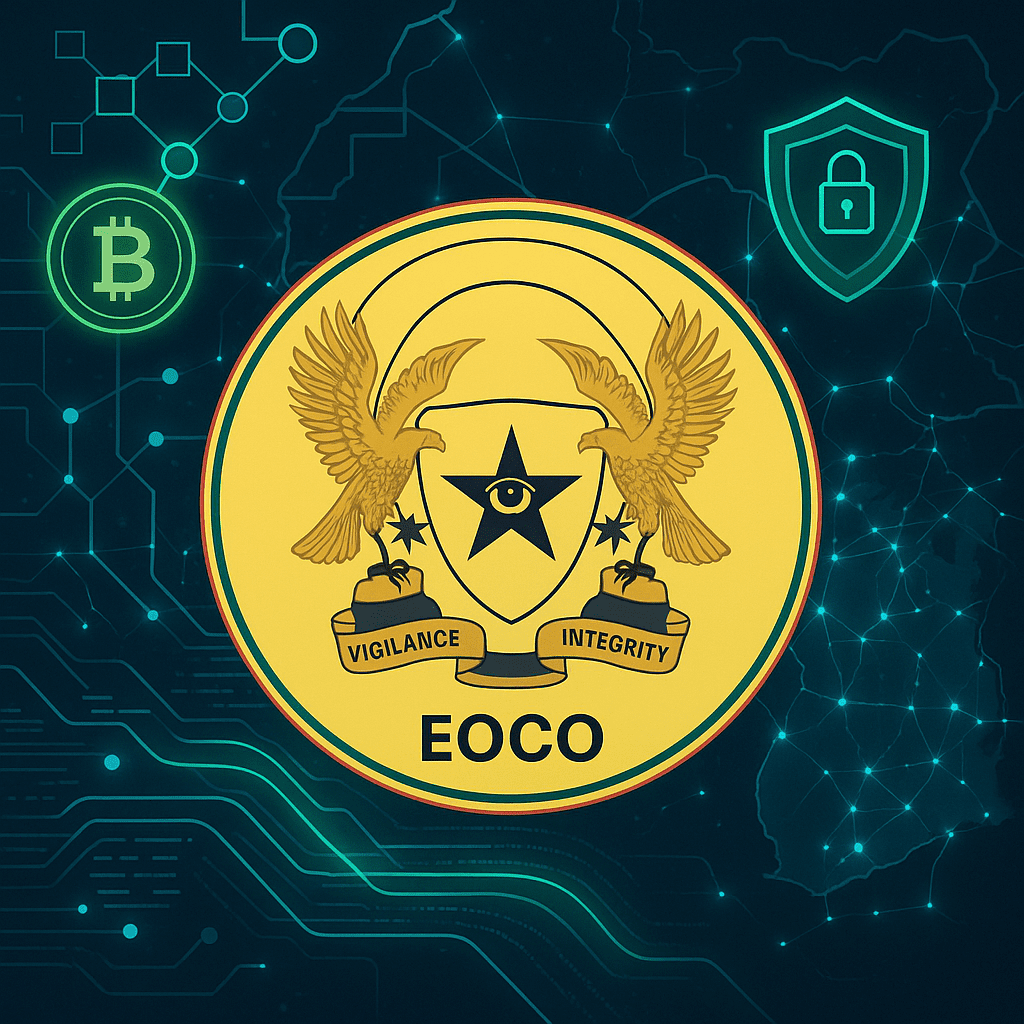
Pioneering Crypto Forensics: EOCO’s Breakthrough in Virtual Asset Investigations and Recovery

With digital assets growing steadily as an alternative means to income and transactions in West Africa, Ghana has taken the next step in providing better crypto investigation, countering the growing rate of Virtual asset fraud. In Brief Crypto investigations in Ghana reach new heights as EOCO secures forensic licenses to trace, confiscate, and return stolen…

Read More
bitcoin-financial-inclusion-web3africa

Bitcoin Financial Inclusion Tested: Lessons from Kenya’s Kibera Pilot

 In Brief Bitcoin financial inclusion in Kibera enabled wage payments without banks, reducing fees and boosting security for unbanked youth. High BTC exposure poses volatility risks, underscoring the need for education and diversified usage beyond earnings. Sustainable inclusion demands clear KPIs on wallet activity, spending habits, and long-term adoption to measure impact. Digital assets have…

Read More
Enable Notifications OK No thanks