







KenMichaels

Ken Mutuku is a forerunner in blockchain reporting and an experienced editor and fact-checker at Web3Africa, tightening copy and verifying sources to make complex tech stories clear. A cybersecurity analyst now pivoting into blockchain security and smart-contract auditing, he provides technical review and editorial oversight to ensure accuracy and on-chain safety.

crypto-mining-investment-risks-web3africa

Burning Wallets: How Crypto Mining Risks Could Cost You

From 2020’s MTI collapse (29,000 BTC, $1.7B) to 2021’s Africrypt exit ($3.6B) and 2025’s CBEX freeze, African mining scams follow a pattern: unrealistic returns, cloud mining fraud, and vanished operators. BitStream Circle stole $7.7M from Kenyans, Mining City defrauded thousands with worthless BTCV contracts, while Amazon Web Worker swept Kenya, Nigeria, Ghana. With 16% of users vulnerable, due diligence and escrow services like Paxful protect investments


Read More
how-fiscal-policy-impacts-cryptocurrency-markets

How Fiscal Policy Impacts Cryptocurrency Markets: A Comprehensive Guide

Understanding how fiscal policy impacts cryptocurrency markets provides a unique perspective to regulatory issues and where they clash with digital assests. Government fiscal policies, including spending decisions and taxation, directly influence cryptocurrency markets by affecting inflation rates, liquidity, and investor behavior. Well-structured regulatory frameworks that balance consumer protection with industry innovation are essential for fostering…

Read More
crypto-self-regulation-web3africa

Crypto Self-Regulation in Africa: Navigating the Legal Landscape

 Crypto self-regulation is essential for maintaining order in Africa’s crypto market while protecting investors and preserving innovation. African nations show diverse regulatory approaches, from South Africa’s cautious embrace to Nigeria’s restrictions and Kenya’s balanced caution. The ideal African crypto framework balances scam prevention with financial inclusion through collaboration between self-regulation and government oversight. In an…

Read More
crypto-legal-challenges

The African Crypto Code: Regulating Digital Currency Across Borders

Bitcoin’s $100K milestone ignites Africa’s blockchain law urgency. From South Africa’s crypto ATMs to Kenya’s 20% excise tax and Nigeria’s eNaira CBDC, nations tackle DeFi regulations, AML compliance, and cross-border disputes. With $23.8B in illicit crypto flows (2022), Ghana, Mauritius, and Egypt deploy smart contract frameworks while Chainalysis tracing tools combat money laundering, positioning Africa to lead, not follow.

Read More
crypto-mining-hub

Africa’s Crypto Mining Hub Potential: Unlocking Economic Transformation

 Africa possesses all necessary ingredients to become a dominant crypto mining hub on the global stage with its renewable resources, youthful population, and growing technological infrastructure. Africa’s abundant renewable energy resources position it uniquely to support sustainable crypto mining operations that can power economic growth while addressing environmental concerns. Crypto mining presents a pathway to…

Read More
brics-single-digital-assets

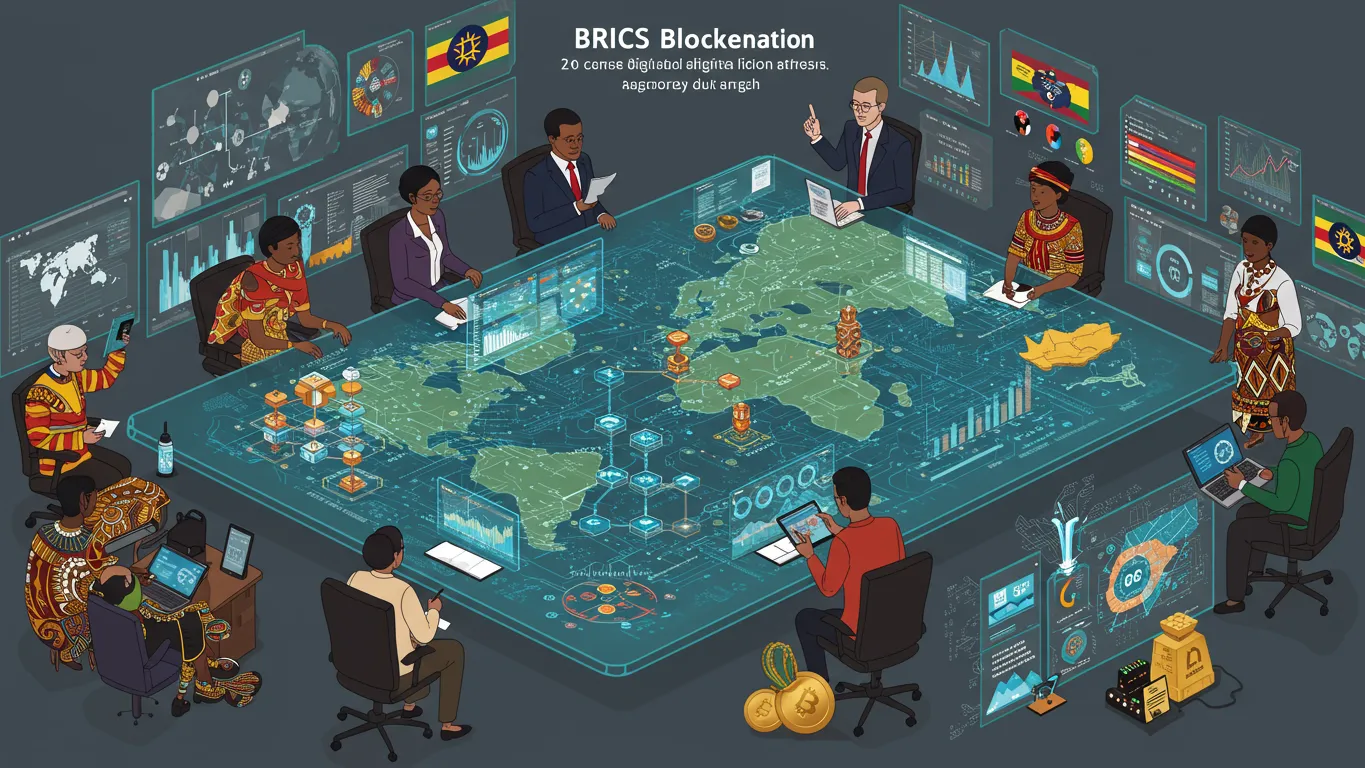
BRICS Single Digital Asset: The Global Digital Currency Revolution

Analysts highlight BRICS’ reliance on market growth for development, supporting cryptocurrency ecosystems.   BRICS Single Digital Asset provides new view points for its alliance expansion focused on African nations and driving blockchain adoption. BRICS’s expansion boosts cross-border cryptocurrency networks, particularly in Ethiopia’s blockchain sector. In 2025, the BRICS alliance continues to reshape and redefine global…

Read More
blockchain-governance-models-web3Africa

Liberland’s Blockchain Governance Models: A Blueprint for Future Societies

Liberland’s blockchain experiment attracts 703,000 citizenship applicants through transparent governance, Merit-based cryptocurrency economy, and decentralized legal frameworks. With 727 registered citizens using smart contracts for voting, property rights, and voluntary taxation, this Danube micronation offers African nations a blueprint for combating electoral fraud and corruption. Liberland-Africa collaboration leverages African talent and creativity while providing merit-based opportunities beyond traditional limitations.

Read More
bitcoin-as-a-reserve-currency-web3africa

Bitcoin as a Reserve Currency: Africa’s Financial Future or a Volatile Gamble?

Bitcoin as a reserve currency could empower Africa with decentralization and inflation resistance but demands navigating volatility to stabilize fragile economies. Adopting Bitcoin requires agile tech infrastructure and anti-corruption regulations to unlock cross-border efficiency while curbing financial risks. Blockchain’s transparency may disrupt Africa’s corruption cycles, yet Bitcoin’s viability relies on government innovation and public adoption…

Read More
Enable Notifications OK No thanks