






Home

blockchain-protocols-web3africa

Revolutionary Blockchain Protocols Powering Africa’s Web3 Boom

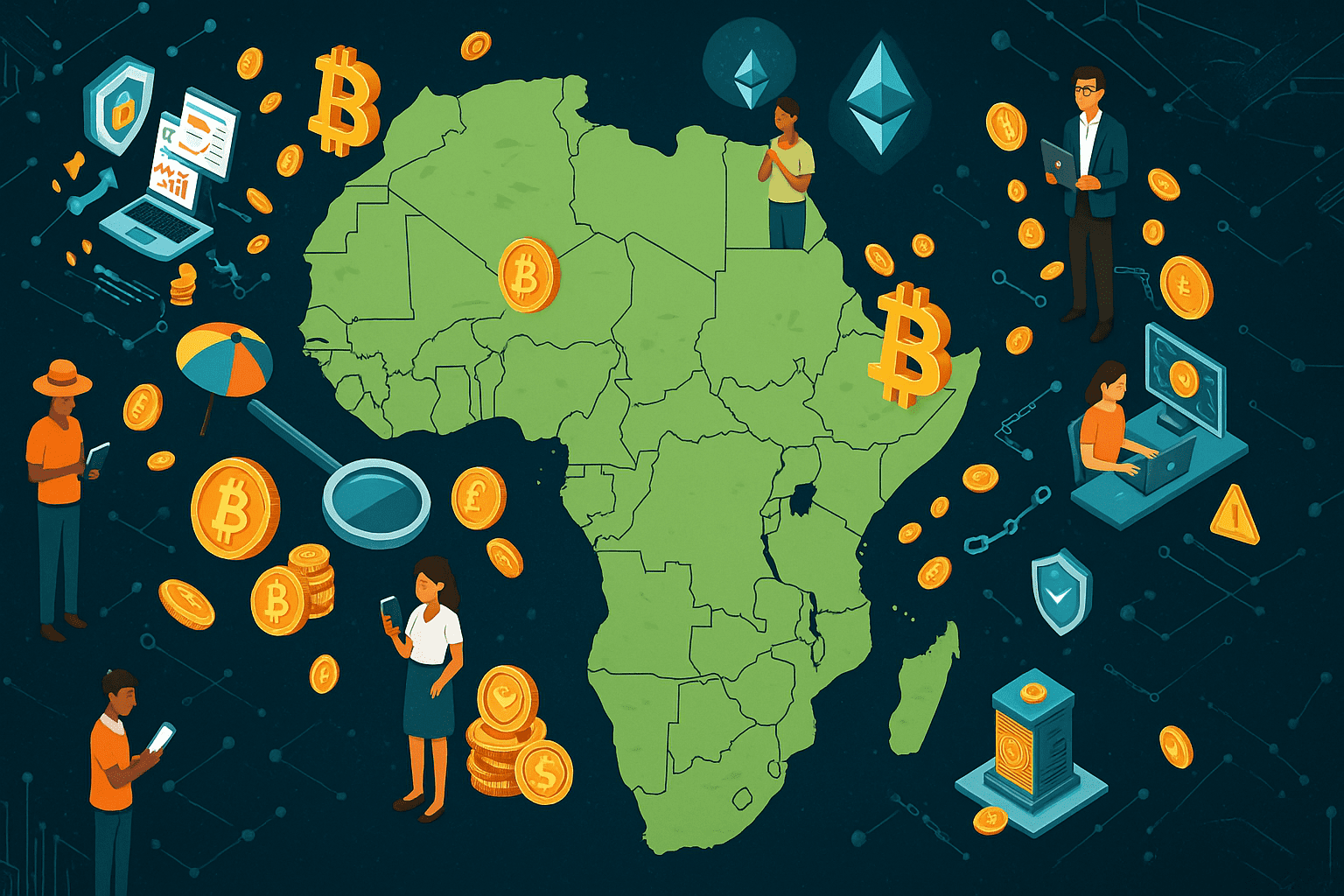
Blockchain protocols in Africa enable low-cost, decentralized finance for SMEs, bypassing corrupt traditional banking systems. Celo’s mobile-first design and Stellar’s $0.00001 fees dominate Africa’s remittance and cross-border payment sectors. Regulatory ambiguity and infrastructure gaps threaten blockchain protocols’ scalability despite their transformative potential for African economies. Africa’s digital transformation is shifting into high gear with new…

Read More
flatcoins-web3africa

Beyond the Dollar: How Flatcoins Aim to Fix Stablecoins’ Biggest Flaw

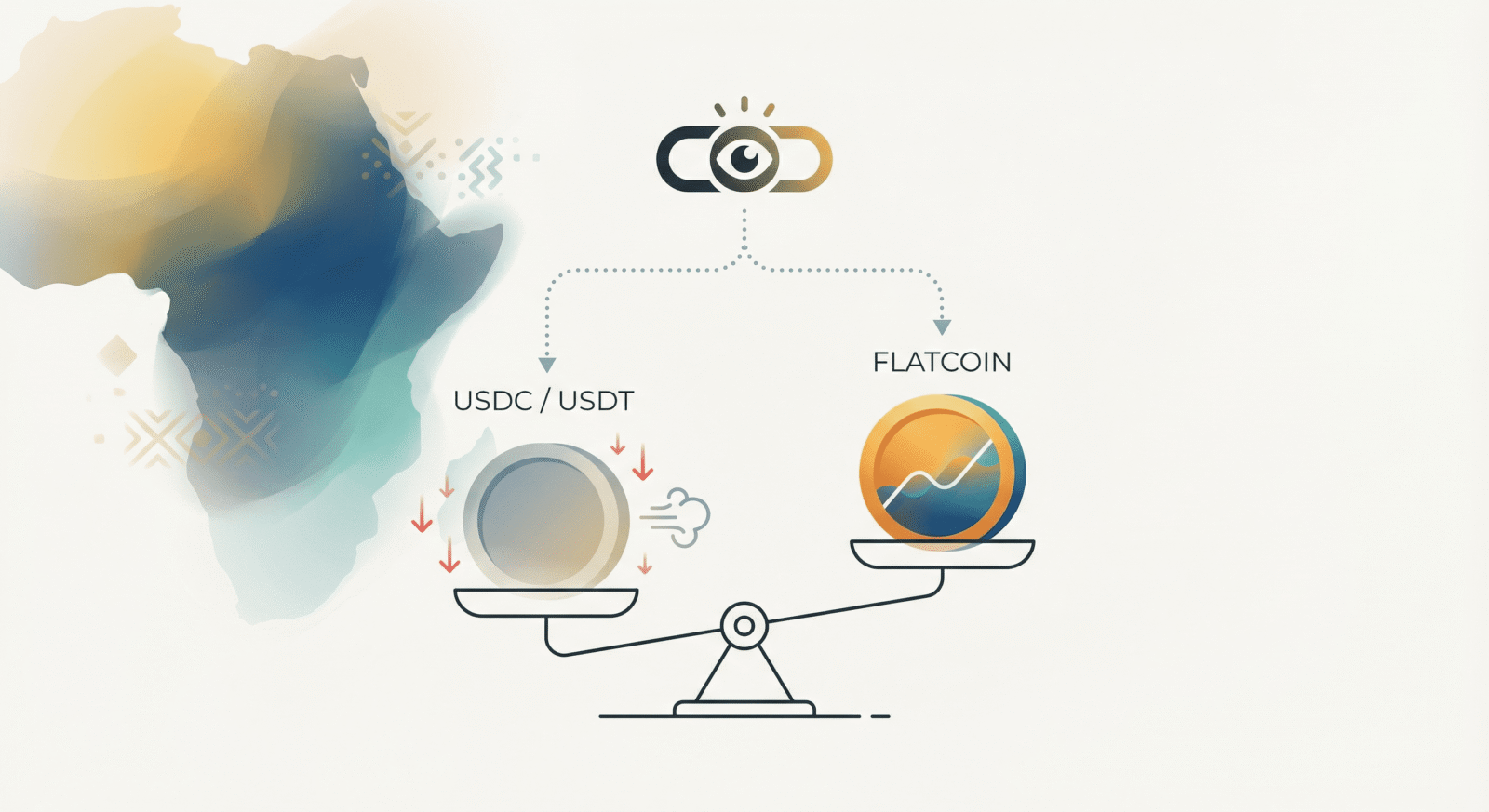
TL;DR,     Flatcoins are experimental digital assets designed to track the cost of living, currently holding a niche market capitalization under $200 million despite growing interest from leaders like Brian Armstrong. Unlike traditional stablecoins pegged to depreciating fiat currencies, these protocols use CPI oracles and algorithmic adjustments to preserve purchasing power, offering a theoretical shield…

Read More
blockchain-applications-web3africa

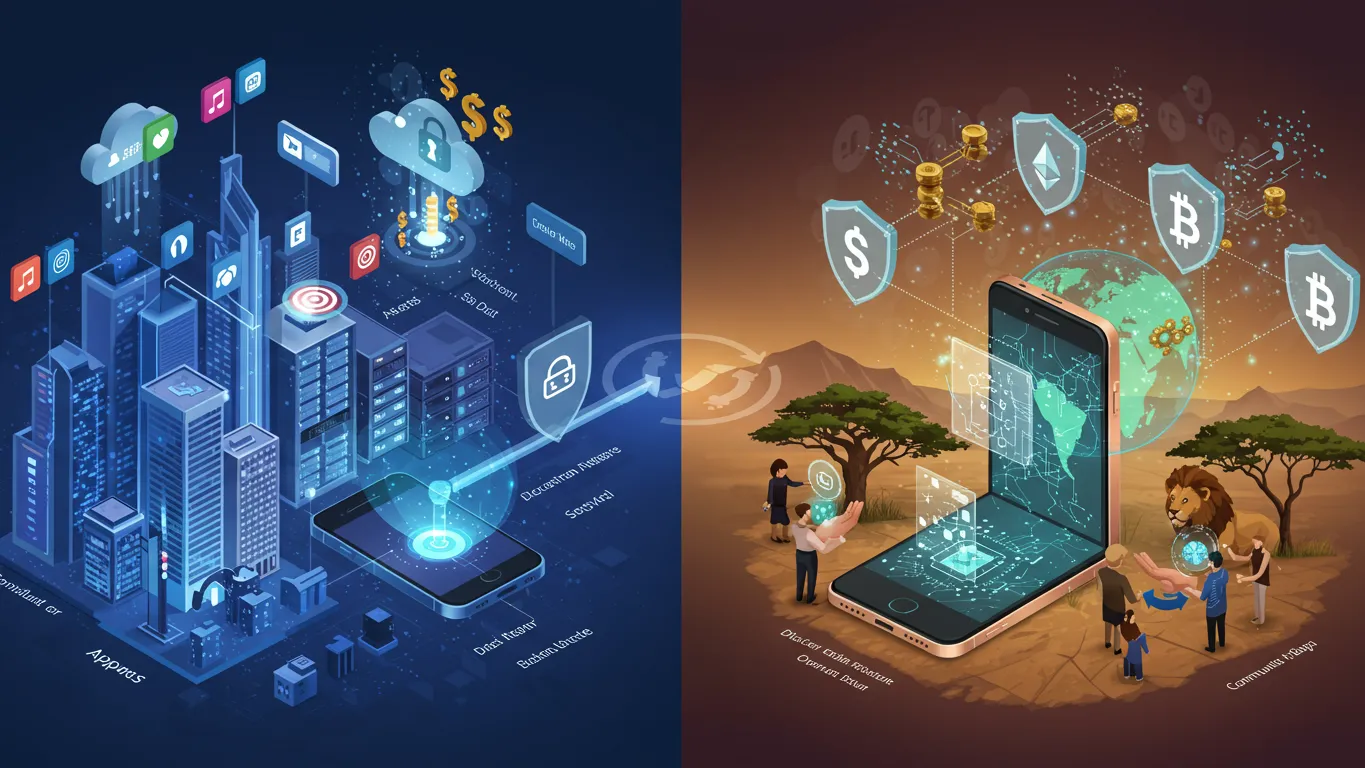
Blockchain applications vs traditional apps — which one wins?

Apps vs DApps evolved from debate to collaboration by 2025. DApps cut fraud 67% in African healthcare via blockchain security, saw 40% fewer breaches than centralized apps. DeFi platforms like Yellow Card offer zero-intermediary loans; remittance DApps slash fees from 7% to under 1%. Scalability breakthroughs (Ethereum, Solana) speed transactions while lowering costs. Total value locked hit $180B Q1 2025. MediLedger, Kotani Pay, EMURGO Africa prove hybrid finance merges compliance with decentralization.

Read More
crypto-remittance-regulations-web3africa

Crypto Remittance Regulations in Africa: What Namibia got right

Namibia flips 2017 crypto ban with Virtual Assets Act 2023, imposing $671K fines and 10-year jail terms for unlicensed VASPs. Platforms like Mindex navigate strict six-month provisional licensing, Travel Rule compliance for transactions over $1,056, and enhanced AML reporting. Yet a glaring gap remains: zero crypto taxation. As Bank of Namibia balances innovation with caution, Namibia joins South Africa, Mauritius, and Nigeria as Africa’s regulatory vanguard.

Read More
cryptocurrency-knowledge-africa-web3africa

Why cryptocurrency knowledge in Africa thrills innovators and investors

Part of the problem surrounding cryptocurrency adoption in Africa, besides the lack of reliable and affordable internet—particularly beyond urban areas—is the varying level of financial literacy. Africa’s crypto literacy gap is narrowing , with 75,000+ trained since 2023 via programs like Africa Blockchain Academy, but 65% of users still lack scam-spotting skills. Regulatory clarity in…

Read More
crypto-identity-verification-web3africa

Breaking down crypto identity verification through Worldcoin’s innovations

Worldcoin’s revolutionary Orb technology brings biometric crypto identity verification to Africa, slashing authentication times from 2.5 minutes to 47 seconds with just 0.33% error. Through Proof of Personhood and iris-scanning innovation, the World app enables seamless cross-border payments and DeFi access for emerging markets. Despite privacy debates and 70% WLD volatility, Sam Altman’s vision targets 2 billion users in the AI-driven digital economy.

Read More
decentralized-apps-web3africa

Decentralized Apps: Your secret to digital sovereignty now

Decentralized Apps are an applications that operate on a decentralized network, such as a blockchain, without a central authority governing its operations. Unlike centralized applications that rely on a single server, dApps leverage peer-to-peer networks, smart contracts, and consensus mechanisms to distribute power and eliminate reliance on intermediaries. DApps eliminate middlemen, such as banks or…

Read More
crypto-adoption-challenges-web3africa

Crypto adoption challenges: Africa’s urgent battle for financial freedom

Crypto adoption challenges in Africa stem from knowledge gaps, with localized education platforms critical to bridging the divide. Inconsistent regulations fragment markets, but stablecoins and blockchain use cases offer scalable solutions. By collaborating with governments, innovators, and educators, Africa can unlock transformative use cases for financial inclusion. Digital assets have significantly reshaped finance, capturing global…

Read More
Enable Notifications OK No thanks