





crypto-payments-luno-web3africa

South Africa’s Crypto Payments Surge: From Speculation to Daily Spending

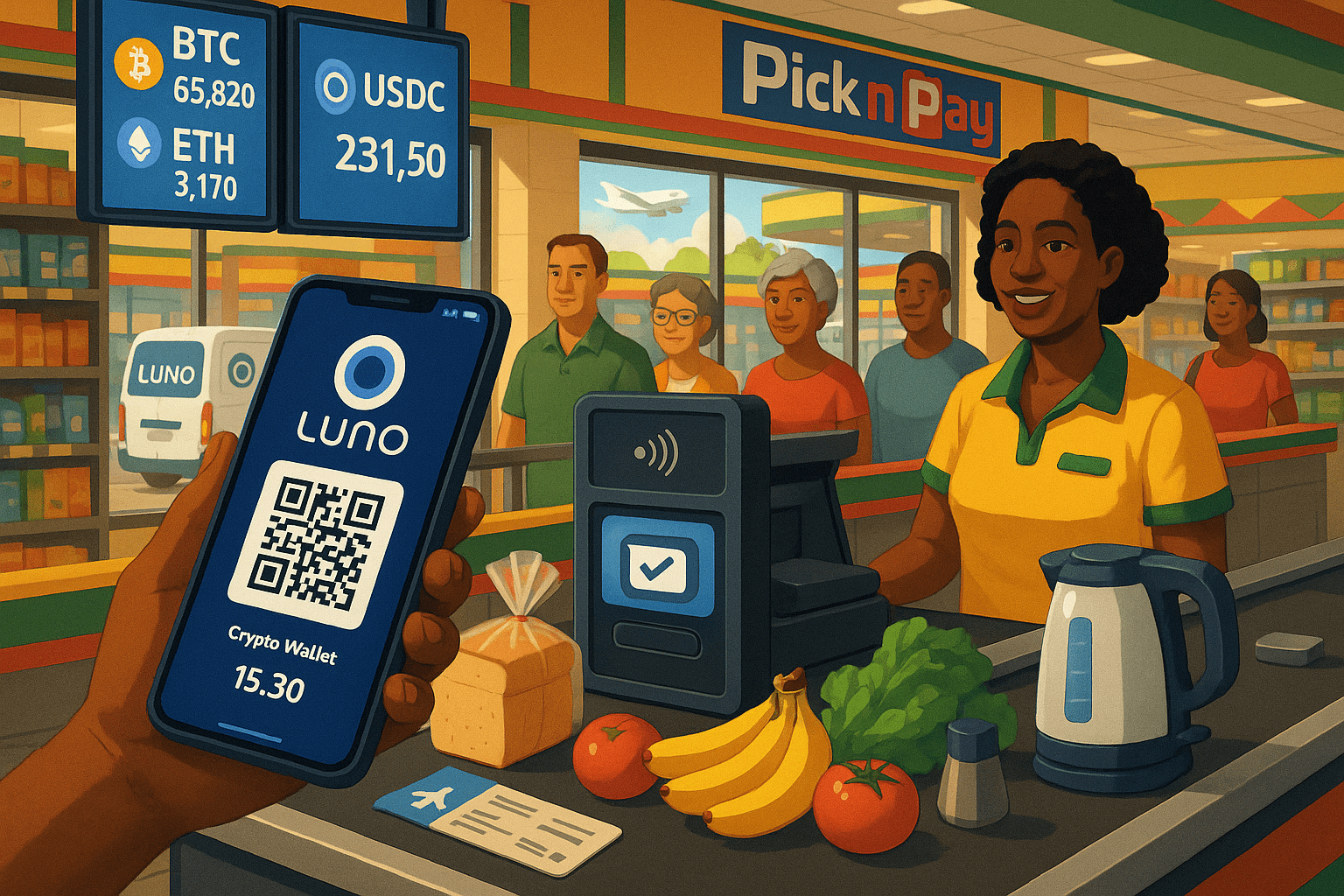
Crypto payments in South Africa reach $112K monthly as 80% of Luno Pay users transact weekly across 31,000 merchants. Stablecoin adoption drives $1.1M in transactions since November 2024 at Pick n Pay, Dis-Chem, FlySafair, and Spur. Christo de Wit confirms shift from speculation to utility: “Customers use Luno Pay regularly for routine purchases.” With stablecoins settling $27.6T globally (exceeding Visa + Mastercard), South Africa’s regulatory framework enables daily crypto spending for groceries, flights, services.
Read More
fintech-regulation-web3africa

Navigating the Evolving Fintech Regulation Landscape in 2025: Key Insights from Leading African Nations

Nigeria’s EFCC has sentenced two Chinese nationals to one year in prison for crypto fraud, part of a 792-member syndicate dismantled in the December 2024 “Eagle Flush Operation” that netted nearly 800 arrests. The convictions mark Nigeria’s intensified crackdown on digital asset crime as Africa’s leading Web3 ecosystem strengthens its AML/CFT framework to exit the FATF grey list. With a 45% surge in financial fraud and mounting pressure from the IMF, Nigeria is sending a clear message: bad actors in its crypto sector will face swift justice.

Read More
blockchain-testnet-web3africa

The Unsung Heroes: How Testnets Are Shaping Africa’s Blockchain Future

Blockchain testnets are revolutionizing Africa’s dApp development with over 700,000 miners on Tari Universe alone. South Africa’s Tari, Mara’s Optimism-forked Layer 2, and Cardano’s Preview testnets empower local developers to build sector-specific solutions. Governments from Kenya to Rwanda now leverage testnet infrastructure for supply chains, mining transparency, and financial systems,democratizing access to blockchain development tools.

Read More
lzar-stablecoin

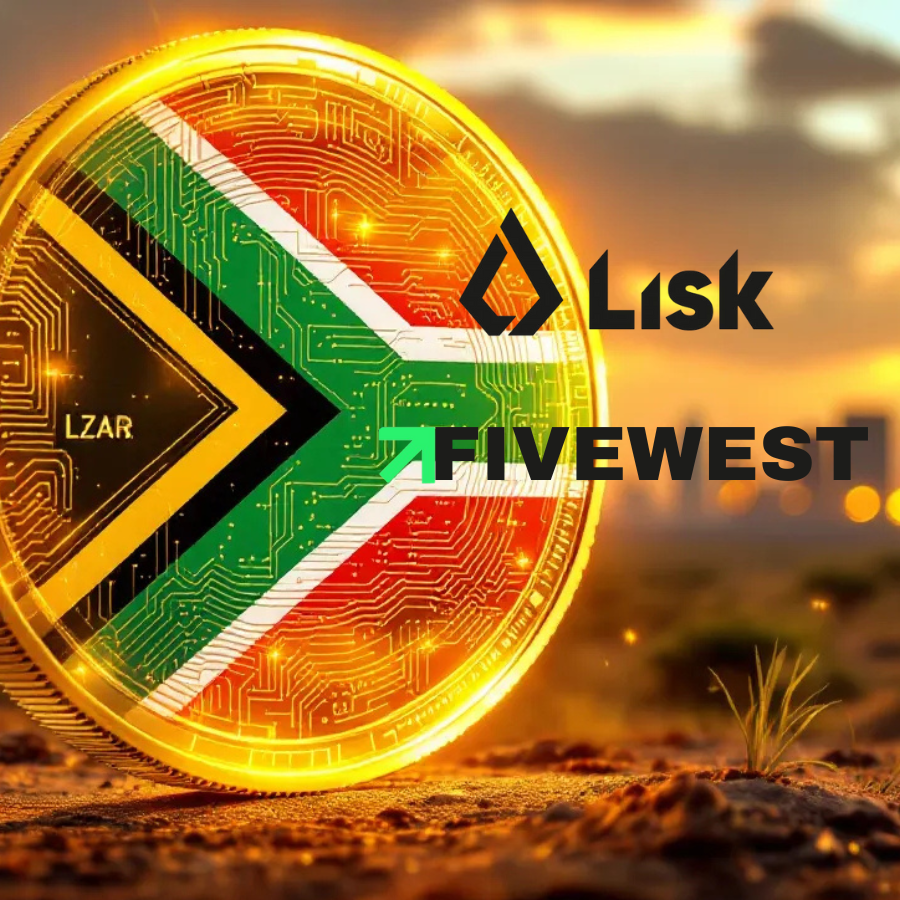
FiveWest Launches LZAR Stablecoin: Rand-Backed Digital Currency for Africa

LZAR stablecoin launches via FiveWest (licensed FSP No. 51619, PASA-authorized) and Lisk, offering 10% APY yield backed by South African Rand reserves. Zero transaction fees for merchants, customers spend while earning interest—no choosing between saving and spending.
Flamingo’s Coffee Bar (Jeffrey’s Bay) adopts LZAR: no setup costs, no chargebacks, zero-fee peer-to-peer transfers. Addresses Africa’s financial exclusion as stablecoins hit 43% of continent’s crypto volume. Low-cost cross-border remittances via Lisk’s scalable blockchain infrastructure.
FiveWest suite: OTC trading, payment gateway, custody.

Read More
coinbase-s&p-500-inclusion

Coinbase S&P 500 Inclusion: A Catalyst for Crypto Institutional Adoption

Coinbase S&P 500 inclusion legitimizes crypto institutional adoption as BlackRock and Vanguard allocate capital, unlocking $10B passive inflows at 0.1% weighting. Bitpace CRO Meryem Habibi: move “normalizes passive crypto exposure in conservative portfolios.” With $10T tracking index, Benchmark’s Mark Palmer notes acceleration among retirement plans and sovereign wealth funds. Galaxy Digital, Marathon Digital, Circle face profitability hurdles, while Oppenheimer’s Owen Lau confirms TradFi-crypto convergence “happening and will continue.”

Read More
exchange-control-case-web3africa

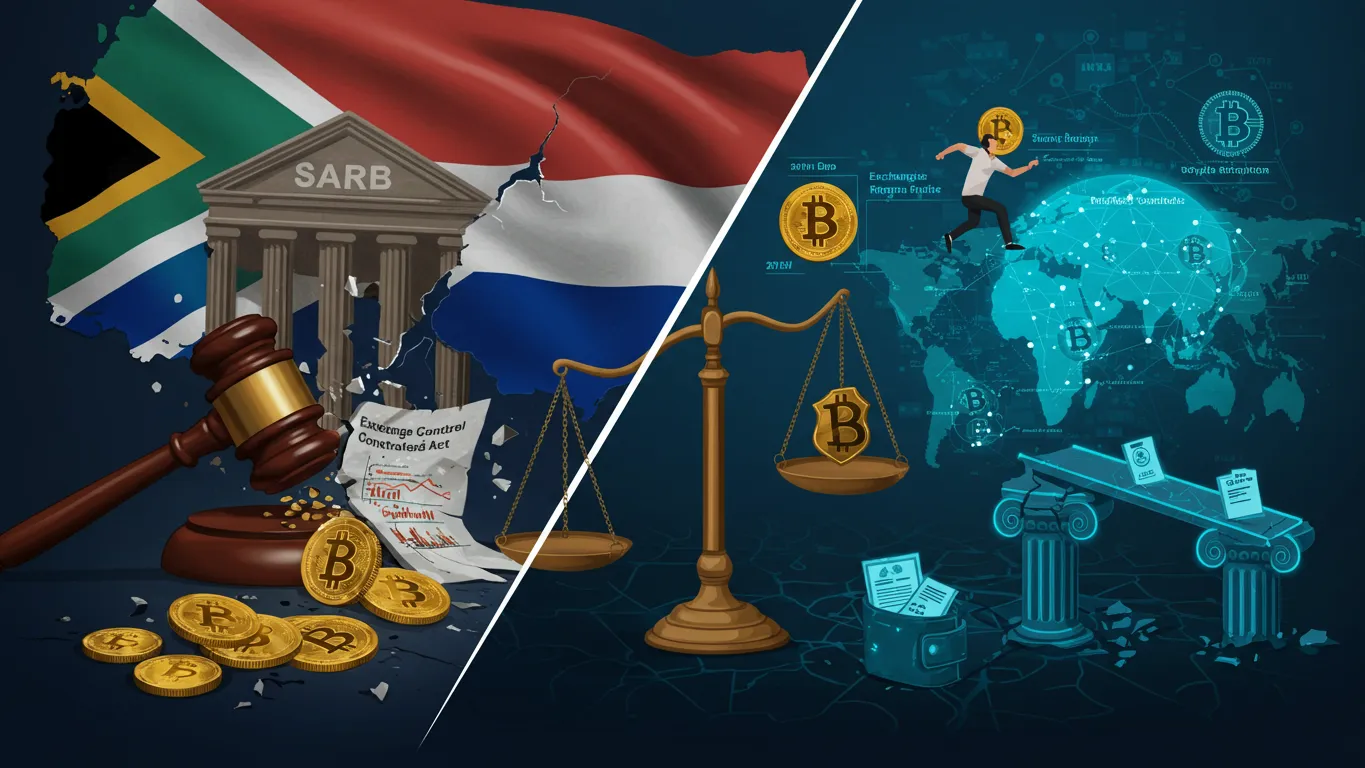
Legal Loophole or Progress? Unpacking the SARB Exchange Control Case Ruling

Pretoria High Court declares cryptocurrencies exempt from exchange control after SARB froze $37M (R556M) Bitcoin transfer by Leo Cash and Carry, attempting $1M forfeiture from Standard Bank.
Judge Mlambo rules crypto not “money” or “capital” under Exchange Control Act, exposing legislative gaps threatening capital flight. Norton Rose Fulbright warns “reprieve may be short-lived” as Baker McKenzie notes amendments could reassert oversight. FATF travel rule implementation by 2025 and Nigeria-Kenya regulatory reforms shape Africa’s digital asset future.

Read More
nigeria-stablecoin-transactions-web3africa

Nigeria Fuels Africa’s $125B Crypto Market: Stablecoins and Devs Lead the Charge

Nigeria stablecoin transactions fuel Africa’s $125B crypto economy, contributing 43% of regional volume via USD Coin and Tether peer-to-peer transfers ($3B under $1M in 2024). As currency instability solution, Nigeria became Web3 developer hub with 4% of global new developers (1.1M total). SEC’s ARIP licensed Quidax and Busha, marking regulatory shift. Over 80 startups raised $130M for DeFi unbanked solutions, with 300,000 active blockchain developers bridging financial exclusion gaps across Africa.

Read More
nigeria-web3-ecosystem-web3africa

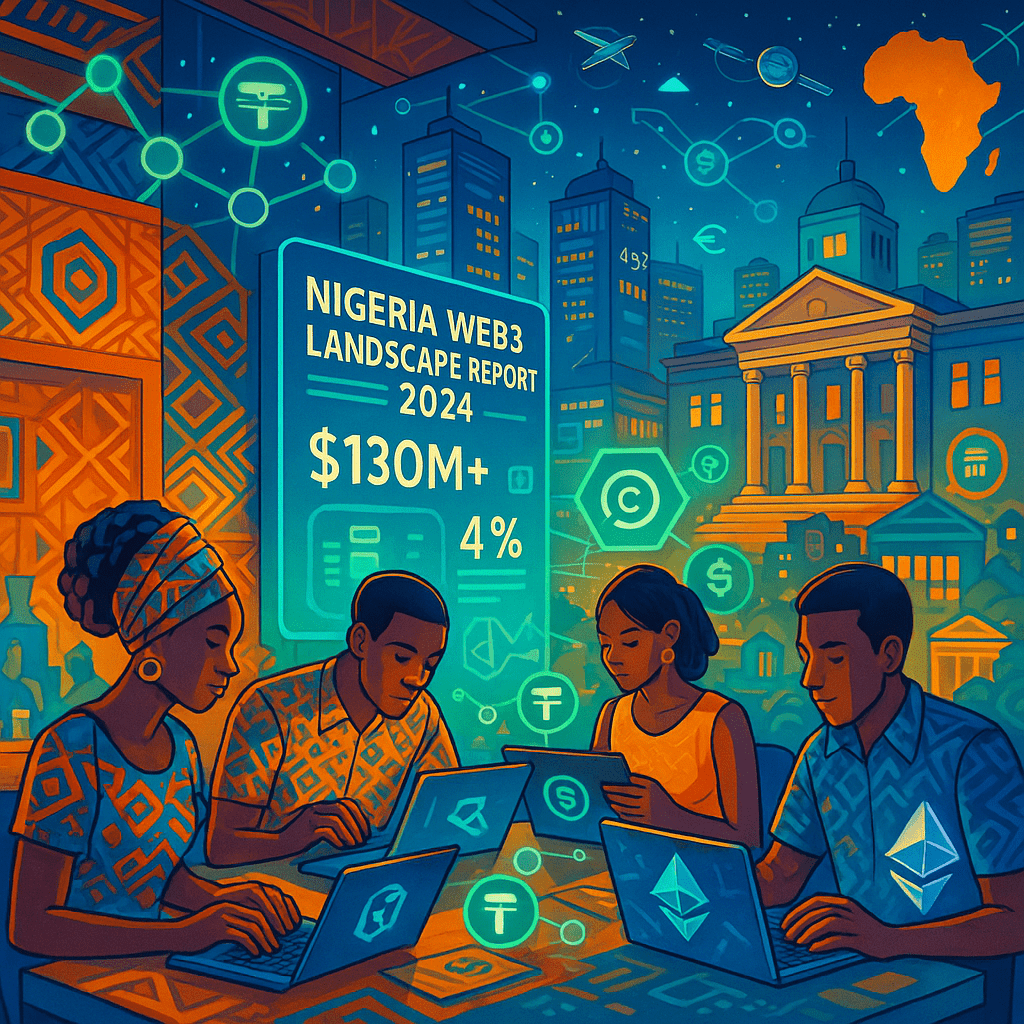
Is Nigeria Web3 Ecosystem a Goldmine? $3B Stablecoin Data Reveals

Nigeria Web3 Ecosystem secures $130M+ across 80+ startups with $20M raised in 2024 as infrastructure funding hits $11M (270% YoY) and finance startups reach $7M via stablecoin payments. Hashed Emergent report shows 1.1M developers (28% growth), 86% under 27, from Web3Bridge, Web3Ladies bootcamps. Stablecoins move $3B (Q1 2024), 45% of developers paid in USDT. Public sector deploys solutions in identity, land registries, education. CBN lifted banking ban (Dec 2023), SEC launched ARIP (June 2024). Nigeria ranks #2 globally—$59B on-chain, $24B stablecoins.

Read More
mantra-token-price-crash-web3africa

Why Mantra (OM) Crashed 90%: Inside the Liquidation Cascade

OM Token plunged 90% ($6.30 to $0.50) April 13 wiping $6B via forced liquidations. 17 wallets deposited 43.6M tokens before crash. JP Mullin blamed “reckless exchange closures.”
Dubai VARA license and $1B DAMAC tokenization preceded collapse. African traders face capital flight requiring diversification across Nigeria, Kenya, Ghana. Tokenized real estate yields 5-10% vs REITs’ 6-8%. Low-liquidity Sunday window amplified automated margin calls, whale sell-offs.

Read More
web3-security-for-African-users-Web3Africa

Digital Fortress: How to Shield Your Web3 World in Africa!

Africa’s Web3 ecosystem faces $40.9B in global illicit crypto activity, but decentralized protection tools are leveling the playing field. With 53.89 million users expected by 2025, securing digital assets requires smart contract audits, AI-driven phishing detection via Forta Protocol, and hardware wallets. From Nigeria to Kenya, mobile-first security solutions combat private key theft, while community-governed protocols like MakerDAO enhance transparency in African markets.

Read More
Enable Notifications OK No thanks