







Home

stablecoin-stability-myth

The Stablecoin Stability Myth: Adrian Orr’s Warnings and the Real Risks Behind ‘Stable’ Crypto

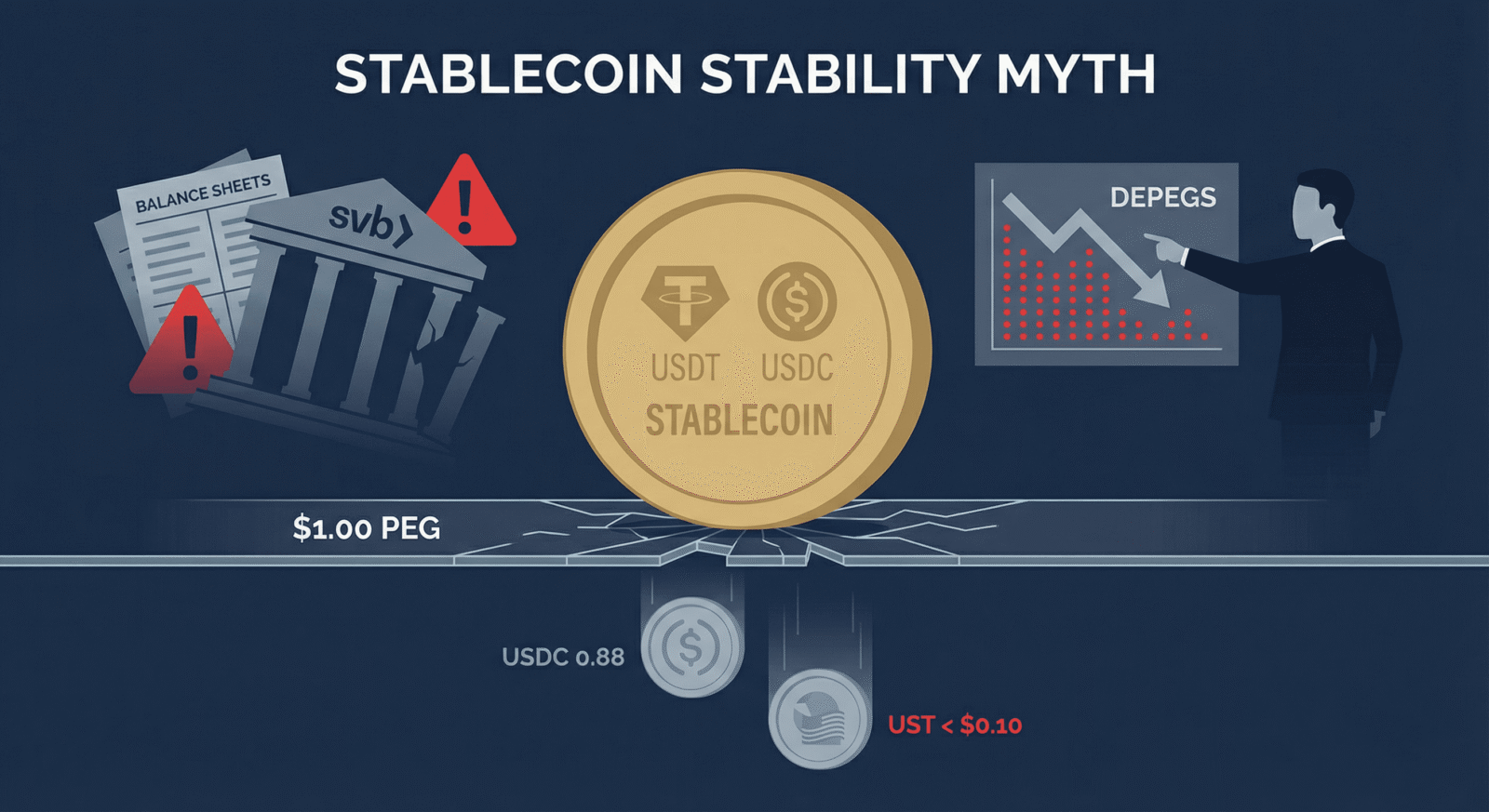
TL;DR,     The stablecoin stability myth is real: despite $300B circulating and 74.6% institutional volume, USDC fell to $0.8789 during SVB and Moody’s logged 1,914 depegs in 2023. Central bankers warn that digital assets lack true security; unlike insured bank deposits, stablecoin holders act as unsecured creditors vulnerable to issuer insolvency, fraud, and panic-induced…

Read More
Ethereum_ERC404_token_standard_web3africa

Pandora’s Box Opened: A Deep Dive into the Ethereum ERC404 Token Standard

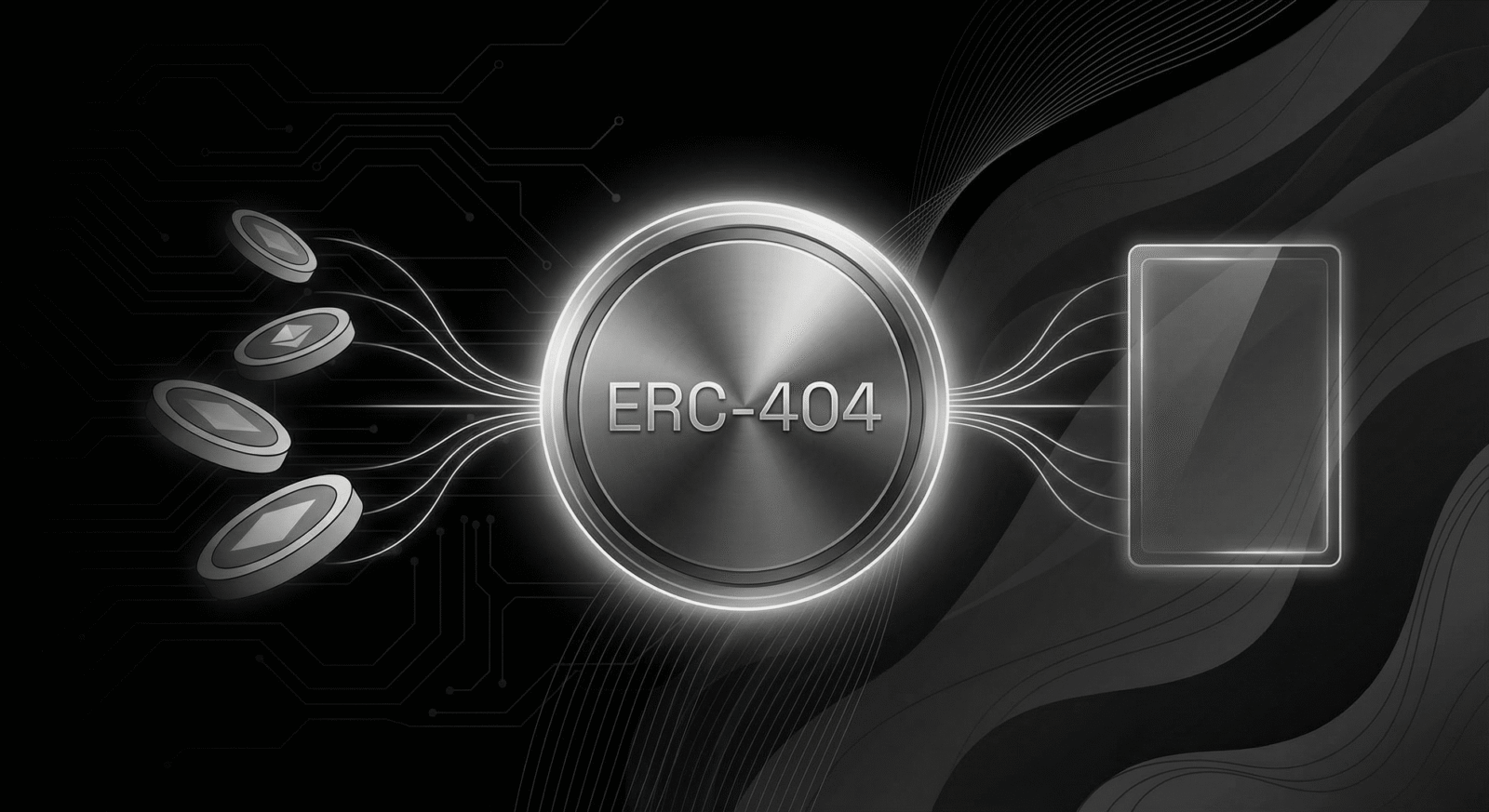
TL;DR,     The Ethereum ERC404 token standard is an experimental protocol that merges fungible tokens (ERC-20) with NFTs (ERC-721), generating over $100M in early trading volume by enabling dynamic, liquid NFT trading. This hybrid standard allows tokens to automatically mint unique NFTs when held as whole units and burn them when sold, creating native…

Read More
kenya_digital_asset_regulation_bak

How Kenya’s Community‑Driven VASP Bill Became Law

TL;DR,     The newly enacted Kenya digital asset regulation legalizes the industry, replacing a banking ban with clear rules that are projected to create 25,000 jobs and attract $1 billion in foreign investment by 2027. The Act introduces a dual‑regulator model, splitting oversight between the Central Bank of Kenya and the Capital Markets Authority, and sets…

Read More
zone-fintech

How Zone Fintech is building a regulated blockchain rail for African remittances

TL;DR,     Zone fintech, a regulated blockchain payments company, has processed over $689M across Nigeria. Its 2025 pilot aims to leverage this infrastructure to make cross-border remittances faster and cheaper for Africa. Instead of offering digital assets directly, Zone builds regulated blockchain rails for banks. Its focus on compliance and partnerships provides a template…

Read More
eversend-fintech-web3africa

Why Eversend fintech Wins on Fees, Speed, and Compliance Across Africa

TL;DR,     Eversend fintech, a capital-efficient African payments startup, processed over $230M with just $1.2M in funding by focusing on strong unit economics, achieving a 62% gross margin and a 19:1 LTV/CAC ratio. The platform evolved from consumer remittances to essential B2B infrastructure, using stablecoins to settle cross-border payments in minutes for African businesses…

Read More
cristiano-ronaldo-nfts

Why is the SEC Suing? Inside the $1 Billion Lawsuit Against Ronaldo

TL;DR,     Cristiano Ronaldo NFTs are the center of a $1 billion class-action lawsuit alleging deceptive promotion, despite the initial announcement driving a massive 500% increase in search traffic for Binance. While legal battles continue regarding unregistered securities, Binance has successfully delivered high-end utility to holders, including an exclusive “Train with CR7” event in Lisbon,…

Read More
pechshield_crypto_hacks

PeckShield’s 2023 Crypto Hacks Report: A $674 Million Recovery Breakthrough Signals Shifting Security Landscape

TL;DR,     PeckShield reveals 2023 crypto hacks totaled $2.61 billion in losses, but uniquely, victims successfully recovered $674.9 million—a 25% recovery rate achieved through active negotiations and bug bounties. While overall incidents declined, DeFi protocols remained the primary target, accounting for two-thirds of losses. Flash loan attacks and compromised private keys were the dominant methods used…

Read More
FSCA-MMM-KRYPTO

MMM Krypto Unmasked: The Crypto Ponzi Following a Deadly Blueprint

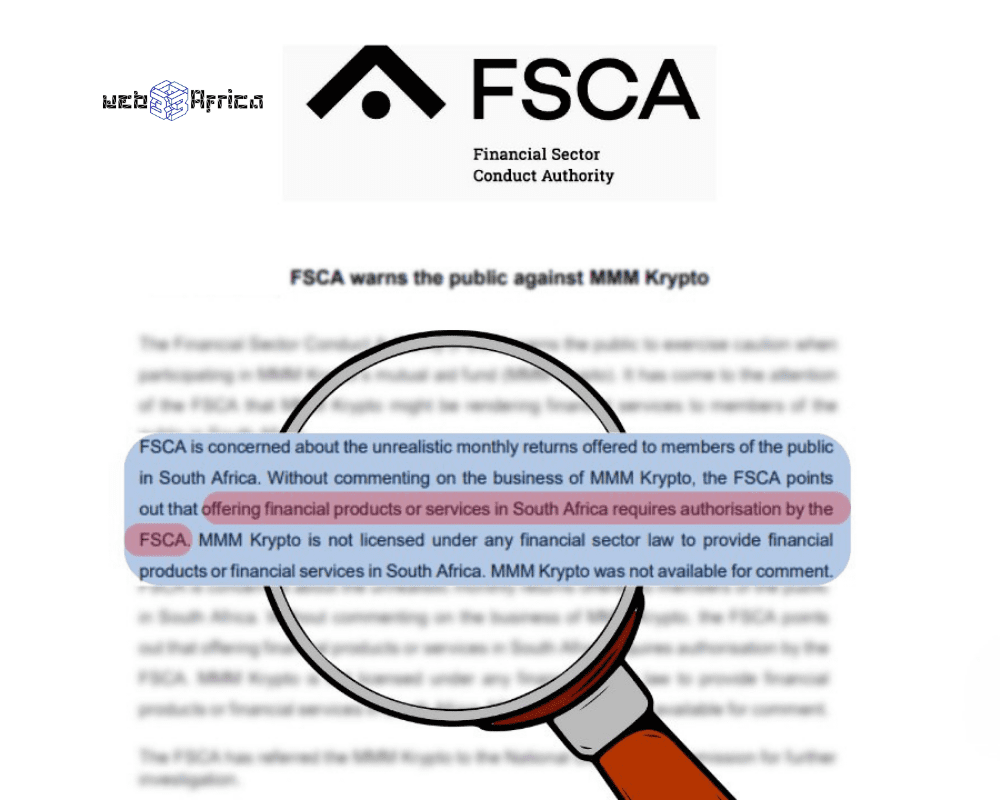
TL;DR,     South Africa’s FSCA warned against MMM Krypto, an unlicensed crypto scheme promising 24-36% monthly returns through aggressive social media campaigns. The scheme follows the blueprint of MMM Global, which defrauded millions across Nigeria, Zimbabwe, and Russia, causing billions in losses. Using USDT transfers and a “mutual aid” facade, the platform requires participants…

Read More
fsca_crypto_license

South Africa’s FSCA Crypto License Framework: CASP Application Progress and Requirements Through 2024

When South Africa’s Financial Sector Conduct Authority (FSCA) officially called crypto assets “financial products” under the Financial Advisory and Intermediary Services (FAIS) Act, it was the first time in Africa that digital assets were accepted. The FSCA crypto license framework has now processed more than 400 applications since the application window closed on November 30,…

Read More
Enable Notifications OK No thanks