








ai-blockchain-development-web3africa

Unlock the Quantum Potential of Intelligent Ledger Systems

AI blockchain development is projected to grow 23.6% annually to $973.6M by 2027. Platforms like Fetch.ai, SingularityNET, and Ocean Protocol merge autonomous agents with decentralized networks, revolutionizing finance. For African investors, this convergence unlocks predictive analytics and democratized market access. With no homegrown AI-blockchain giants yet, Africa is a “blue ocean” for developers building intelligent, decentralized financial tools.

Read More
crypto-mining-investment-risks-web3africa

Burning Wallets: How Crypto Mining Risks Could Cost You

From 2020’s MTI collapse (29,000 BTC, $1.7B) to 2021’s Africrypt exit ($3.6B) and 2025’s CBEX freeze, African mining scams follow a pattern: unrealistic returns, cloud mining fraud, and vanished operators. BitStream Circle stole $7.7M from Kenyans, Mining City defrauded thousands with worthless BTCV contracts, while Amazon Web Worker swept Kenya, Nigeria, Ghana. With 16% of users vulnerable, due diligence and escrow services like Paxful protect investments

Read More
blockchain-governance-models-web3Africa

Liberland’s Blockchain Governance Models: A Blueprint for Future Societies

Liberland’s blockchain experiment attracts 703,000 citizenship applicants through transparent governance, Merit-based cryptocurrency economy, and decentralized legal frameworks. With 727 registered citizens using smart contracts for voting, property rights, and voluntary taxation, this Danube micronation offers African nations a blueprint for combating electoral fraud and corruption. Liberland-Africa collaboration leverages African talent and creativity while providing merit-based opportunities beyond traditional limitations.

Read More
blockchain-applications-web3africa

Blockchain applications vs traditional apps — which one wins?

Apps vs DApps evolved from debate to collaboration by 2025. DApps cut fraud 67% in African healthcare via blockchain security, saw 40% fewer breaches than centralized apps. DeFi platforms like Yellow Card offer zero-intermediary loans; remittance DApps slash fees from 7% to under 1%. Scalability breakthroughs (Ethereum, Solana) speed transactions while lowering costs. Total value locked hit $180B Q1 2025. MediLedger, Kotani Pay, EMURGO Africa prove hybrid finance merges compliance with decentralization.

Read More
crypto-identity-verification-web3africa

Breaking down crypto identity verification through Worldcoin’s innovations

Worldcoin’s revolutionary Orb technology brings biometric crypto identity verification to Africa, slashing authentication times from 2.5 minutes to 47 seconds with just 0.33% error. Through Proof of Personhood and iris-scanning innovation, the World app enables seamless cross-border payments and DeFi access for emerging markets. Despite privacy debates and 70% WLD volatility, Sam Altman’s vision targets 2 billion users in the AI-driven digital economy.

Read More
decentralized-apps-web3africa

Decentralized Apps: Your secret to digital sovereignty now

Decentralized Apps are an applications that operate on a decentralized network, such as a blockchain, without a central authority governing its operations. Unlike centralized applications that rely on a single server, dApps leverage peer-to-peer networks, smart contracts, and consensus mechanisms to distribute power and eliminate reliance on intermediaries. DApps eliminate middlemen, such as banks or…

Read More
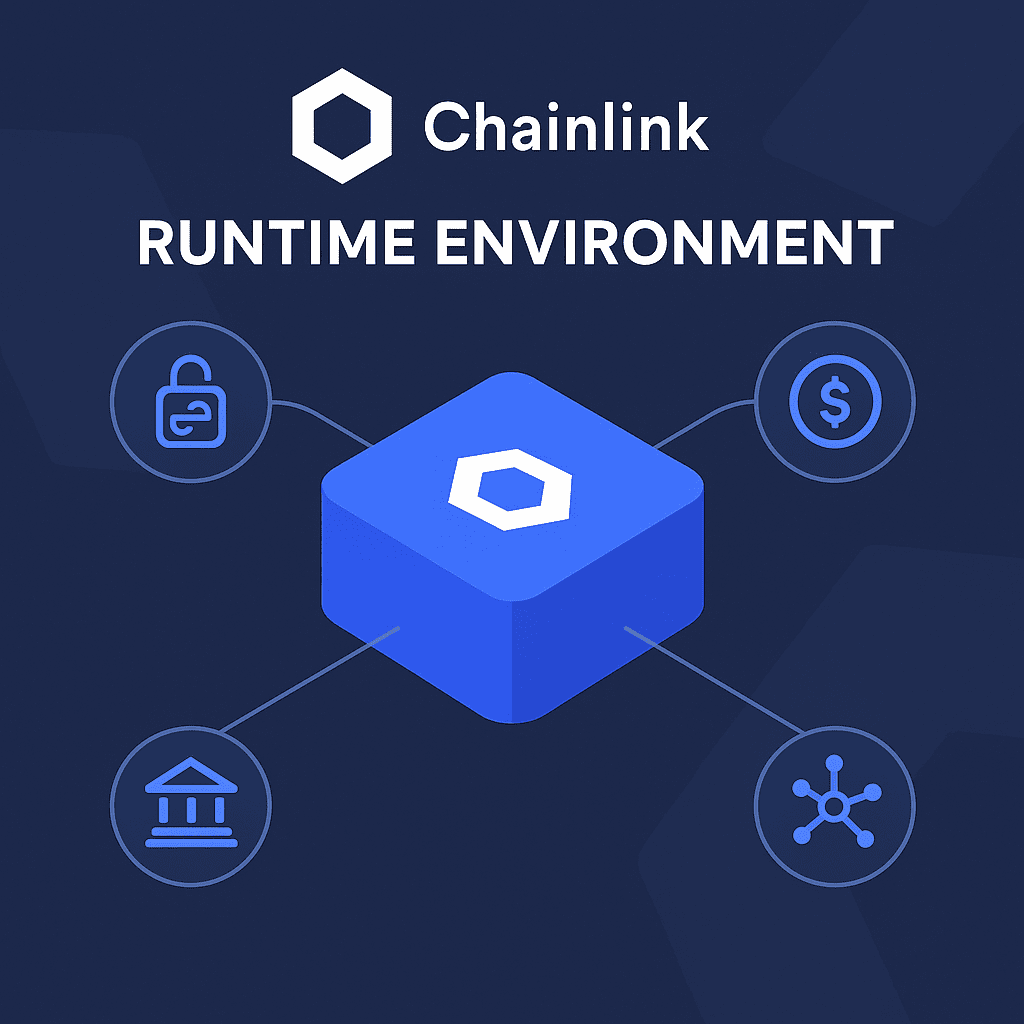
chainlink-runtime-environment

Chainlink’s Secret Sauce: The Runtime Environment That Changes Everything

Chainlink Runtime Environment (CRE) connects traditional finance systems with blockchain protocols, enabling seamless interoperability. CRE facilitates legacy financial institutions’ adoption of blockchain without disrupting existing processes. In Africa, CRE supports financial inclusion by addressing challenges like access to banking, high transaction costs, and inefficient remittance systems. In an era where blockchain has slowly dominated major…

Read More
Zero-Knowledge-Proofs-In-Blockchain

Zero-Knowledge Proofs: From 1980s Cryptography to Modern Blockchain Applications

TL:DR, Zero-Knowledge Proofs allow blockchain systems to verify transactions without revealing sensitive information, revolutionizing privacy in cryptography since the 1980s. This cryptographic method enables a prover to demonstrate knowledge without sharing the actual information, enhancing blockchain security and privacy. From academic theory to practical implementation, ZKPs now power private transactions, scaling solutions, and secure blockchain…

Read More
Enable Notifications OK No thanks