







Table of Contents
In the past five years, Africa has witnessed an epic surge when it comes to blockchain events. While one may attribute this surge to improved regulations or the emergence of startups, the true driving force is the community. It’s this same community that’s been the driving force of tracking finances, building applications, and using data for technologies that employ competence and creativity in the African context.
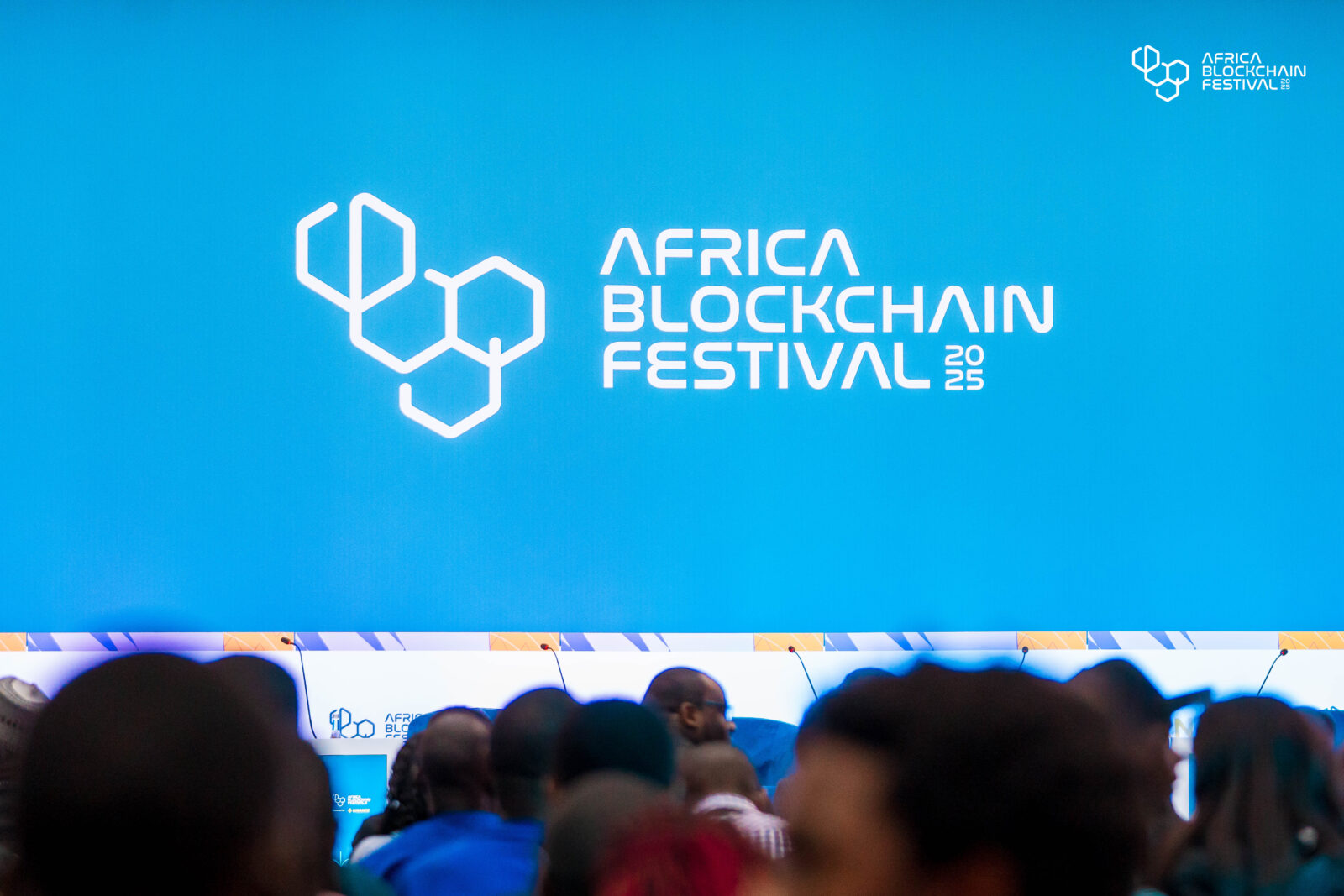
This year, the Africa Blockchain Festival 2026 (ABF 2026), an event aimed at building on the dialogue of blockchain solutions for Africa, is taking place in Nairobi, Kenya. The event selected Nairobi as its second host city, given that Kenya and Nairobi in particular are becoming Africa’s hub for technology.
How Kenya’s builders, policymakers, and entrepreneurs shaped East Africa’s ecosystem
Here is the cold hard fact: Africa isn’t the United States or Asia. One cannot emulate how those international regions grew their ecosystem. Their blockchain is but another layer of security, storage, and personal control of one’s finances. While Africa shares some common needs, for us, blockchain is primarily about building a system, and the best way to achieve that is through community. A concept tested and verified by many local blockchain communities.
RELATED: Web3Africa.tech Uniting Africa’s Web3 Community for Innovation and Progress
Only zooming on Nairobi says it all.
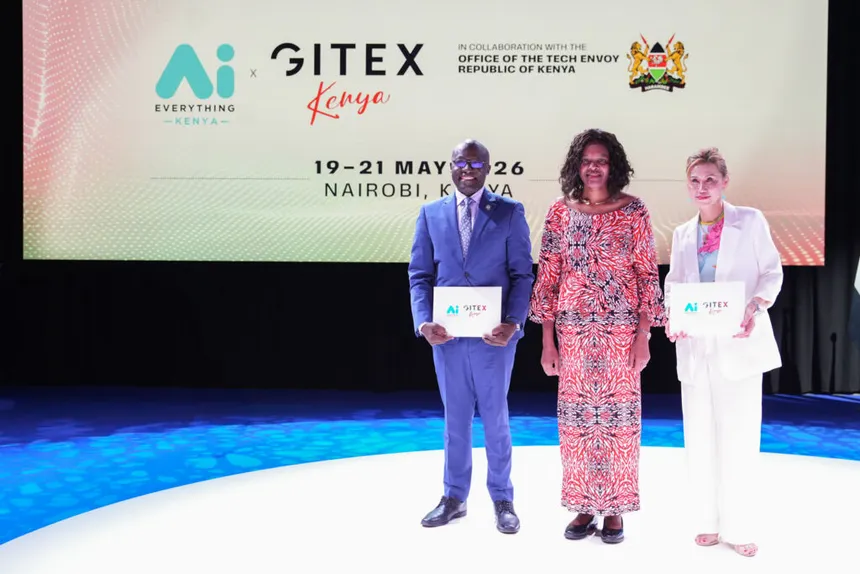
Between January and August 2026, Nairobi hosted at least 35 documented Web3-focused gatherings ranging from university hackathons and protocol-specific developer meetups to enterprise stablecoin conferences and government regulatory consultations. Most recently it hosted GITEX Kenya, the largest tech summit that’s held in Dubai, and was hosting its Nairobi chapter that drew more than 35,000 people in foot traffic alone.
The secret that maintained this momentum was recurring events. Blockchain Centre Nairobi ran recurring monthly developer sessions, Cardano Hub NBO sustained a continuous builder pipeline, and communities built around Bitcoin, Solana, Avalanche, and Bittensor began operating with the regularity of technical infrastructure rather than the sporadic energy of hype cycles.
A single conference can draw a crowd, but sustained monthly meetups, multi-week hackathons with post-event incubation, and developer workshops feeding into startup accelerators suggest the presence of a pipeline, one that moves participants from learning to building to launching.
By mid-2026, Nairobi’s Web3 talent hub went from a handful of CEOs, visionaries, and media personnel to active builders who use blockchain to develop better financial systems, host games, and even build governmental facilities.
When we asked Oluwafunke Oloko, project & operations lead, as to why Nairobi was the next choice for a host, his response was:
“Nairobi chose itself, honestly. Kenya is East Africa’s largest crypto hub, with roughly $19 billion in inflows in a single year and stablecoins making up close to half of the region’s transaction volume, so the market activity was already here before we arrived. What made the timing exact rather than just convenient was the regulation.”
The Builder Pipeline Is Already Running
One of the prime angles ABF 2026 is focusing on is the builder community. So far, Kenya’s Web3 ecosystem has followed a certain pattern, starting off with community, which leads to learning via hackathons, providing the means for a prototype where events create a link between builders and VC funding.
In January, the Unlocking Cardano in Kenya hackathon brought 100+ university students into a four-week development sprint. By February, 125+ teams from twelve countries competed at Cardano Africa Tech Summit 2026 (CATS26), where the top five projects entered a three-to-six-month incubation program rather than simply receiving prizes and dispersing.
In June this year, Bitcoin++ Nairobi’s open-source edition produced 37 hackathon projects in three days, with the winning team, WestToEast, bridging West African CFA francs to M-Pesa via Lightning. Their winning tactic was to demonstrate practical cross-border payment utility instead of focusing on speculative DeFi.
These events provide platforms for learning, earning, and growing. Many expect blockchain events to be a performative developer theater, but finalists and even participants are going out with something. Your next opportunity may arise on the second day of the event, when you can gain insight into where to begin as a learner. As a veteran developer, you might see your next partner.
While socializing, networking, and community did form the backbone, right now these events can extend into funding policy adoption and even commercial deployment if you know where to look.
The Communities Creating Talent Density
Nairobi’s advantage is the density created by multiple organizations performing different ecosystem functions.
Blockchain Centre Nairobi provides recurring co-working space, monthly Cardano meetups, Avalanche gaming workshops, and free build days where senior engineers review live smart-contract code.
Cardano Hub NBO ran monthly developer sessions and partnered with Rare Network to push projects from hackathon to incubation. Node NBO, opened in May by Fedi CEO Obi Nwosu with backing from the Human Rights Foundation, established Nairobi’s first permanent Bitcoin and freedom-tech co-working hub.
Protocol-specific communities deepened technical capacity. Cursor Kenya ran AI-assisted Web3 development workshops in Nairobi and Kisumu, lowering the barrier for African developers to build and debug smart contracts using AI-powered IDEs.
When communities show up, eventually enterprise and investments quickly follow. The February Nairobi Stablecoin Conference brought together C-suite executives from Bitnob, Kotani Pay, Tether, Celo Foundation, and Chainalysis for closed-door workshops on stablecoin API integration, compliance, and revenue models.
RELATED: Kenya Pilot Proves Blockchain Drought Insurance Viability
Adewale Osideinde (COO Bitnob), Felix Macharia (CEO Kotani Pay), and Mabuti Mutua (Tether Regulatory Affairs Africa) led sessions on enterprise-grade infrastructure and local versus USD stablecoin models. The May Kenya Blockchain & Crypto Conference (KBCC) 2026 featured M-Pesa Africa CTO Vinod Sharma discussing AI-blockchain convergence and VALR announcing the opening of its Nairobi office.
Here’s the kicker. The above is simply a fraction of the community.
This time you get a chance via the ABF community.
Regulation Is Part of the Conversation
Another major reason why ABF 2026 is centered around Nairobi is the fact that regulation finally caught up with demand.
Throughout early 2026, the National Treasury and Central Bank of Kenya conducted eleven public-participation forums on draft Virtual Asset Service Provider (VASP) regulations, including sessions in Kisumu, Machakos, and Nairobi.
When the regulations were “gazetted” in July, imposing KES 300 million (appx. $2.3M) capital requirements, 30% local bank reserves for stablecoins, and a November 4 compliance deadline, developers, founders, and operators already understood the framework because they had participated in shaping it.
Oluwafunke added:
“The VASP Act was passed in late 2025, the implementing rules were gazetted in July 2026, and operators are working toward a November licensing deadline under a dual-regulator system. That means we are landing in Nairobi at the precise moment the rules are becoming real and every serious player in the market has to make decisions about compliance, capital, and structure.”
Now, treasury officials challenge traditional banks directly:
“Engage with digital assets or lose domestic value capture to offshore platforms.”
This is where the Africa Blockchain Festival enters the story as a savior descending on an empty market. As a convergence platform, ABF’s presence in Nairobi will be to build on the current components that connect the ecosystem.
The Africa Blockchain Festival intends to consolidate all the aspects that make Nairobi, no, Kenya, one of the leading titans in blockchain adoption. The Sarit Expo Center will host the event, which will focus on each aspect through its three pillars: capital, code, and continuity.
For developers running monthly technical sessions, the ABF day 2 session provides the main stage and access to global protocol communities. There are already a ton of hackathon and individual projects looking for funding. Simply attend and showcase what one has, and the ABF brings institutional investors alongside partnering with Dubai’s World Token Summit.
Engaging in fintech dealings, whether to negotiate or launch a locally backed stablecoin, as well as learning, understanding, and interacting with policymakers, is vital. The event creates a forum where local VASPs can engage regulators and international legal experts in the same room.
The Africa Blockchain Festival’s inaugural edition in Kigali, Rwanda (November 7–9, 2025), brought together government ministers, including Hon. Paula Ingabire (Rwanda ICT minister); Binance legal head Larry Cooke; Nigeria SEC Director-General Dr. Emomotimi Agama; and 25 showcased startups.
For this October, ABF gains access to a deeper technical talent pool, stronger fintech infrastructure, proximity to M-Pesa’s headquarters, and an active regulatory dialogue that didn’t exist in Kigali’s more permissive sandbox environment.
ABF is coming because the city is full of builders, projects, capital, institutions, and unanswered questions about what happens next.
One can say this is a two-way relationship.
Access to a larger platform where their builders, projects, and networks can connect with international capital, protocol foundations, and institutional players who wouldn’t attend a local monthly meetup but would attend a three-day festival with government participation and VC deal flow.
ABF gains legitimacy and operational depth from Nairobi’s existing infrastructure. The startups pitching at ABF’s competition will not be cold leads; they will be well-informed and engaged participants. This year’s conference should not be viewed as Nairobi temporarily becoming a blockchain conference destination. The significance of the festival may ultimately depend less on attendance figures than on what Nairobi’s existing ecosystem does with the connections it creates there.
Discover more from Web3Africa
Subscribe to get the latest posts sent to your email.
You must be logged in to post a comment.