













Five years after banning crypto, the Central Bank of Nigeria now offers Nigerian businesses a regulated pathway to settle cross-border trade with stablecoins. No more P2P workarounds or account closures.
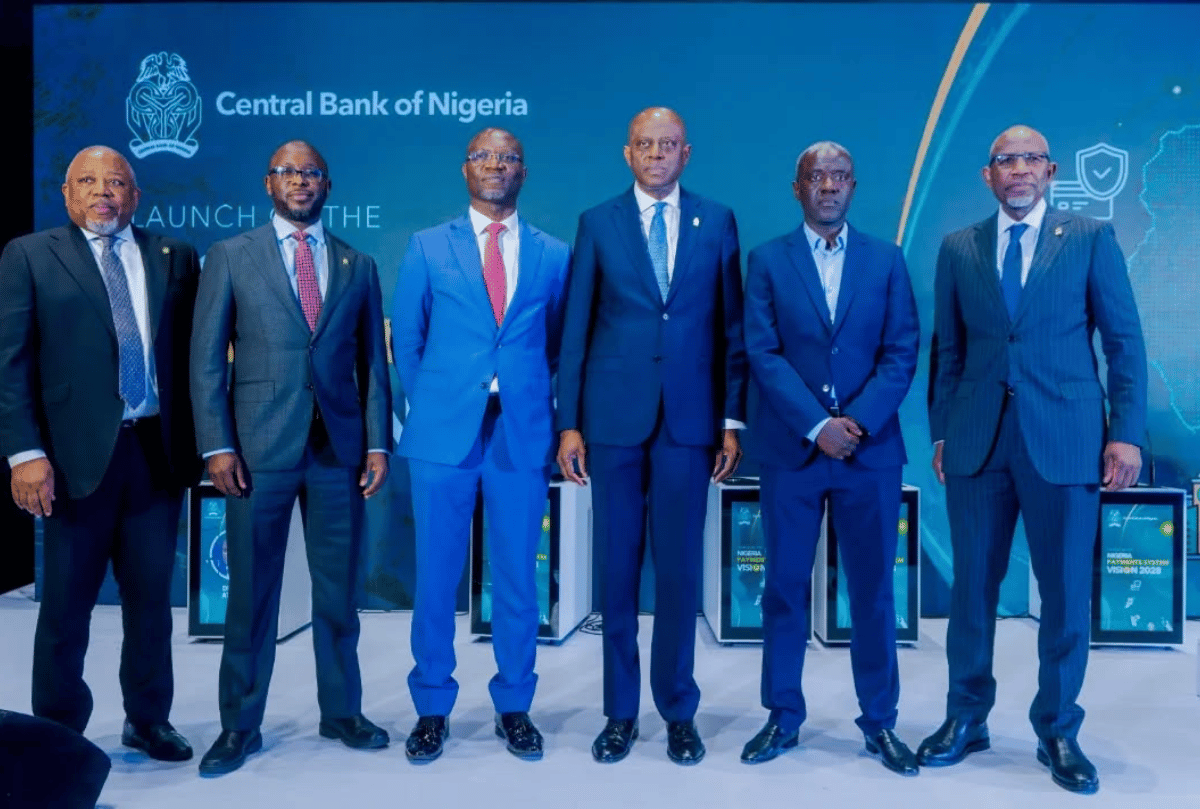
The Central Bank of Nigeria’s newly released Payments System Vision 2028 (PSV 2028) marks the end of the shadow market for Nigerian importers and exporters. After forcing B2B stablecoin payments underground with a February 2021 banking ban, the CBN stablecoin regulation framework now legitimizes fiat-backed digital dollars and naira for cross-border trade settlement.
This long-awaited mandate gives businesses a legal, state-sanctioned alternative to the parallel FX market and unmonitored peer-to-peer platforms that have dominated since the ban.
Inside the PSV 2028 Stablecoin Framework
Between July 2024 and June 2025, Nigeria received approximately $92.1 billion in crypto-asset value, with stablecoins accounting for more than 65% of inflows, according to the International Monetary Fund.
Most of that flowed through informal P2P channels, with importers, businesses, and freelancers paying international suppliers via Binance. Exporters receiving payments in USDT to bypass naira volatility, and SMEs risking sudden account freezes from their banks.
PSV 2028 mentioned stablecoins 68 times and proposed a licensing regime for “fully fiat-collateralized stablecoins as monetary instruments” that would have 100% reserve backing, daily attestations, and real-time CBN oversight via smart-contract “RegTech nodes.”
The March 31, 2025 VASP supervisory pilot, which included Flutterwave, Paystack, and Nigeria’s first regulated stablecoin, cNGN, laid the operational groundwork. Now, the CBN has shifted its stance, actively pursuing regulated stablecoin rails as an integral component of Nigeria’s payments infrastructure.
However, it’s important to note that not all stablecoins are eligible. The framework targets fiat-collateralized stablecoins, digital tokens backed one-for-one by naira or foreign currency reserves held with licensed Nigerian custodians.
For dollar-backed stablecoins, the CBN is evaluating rules requiring a minimum portion of reserves to be held domestically with approved commercial banks, turning offshore liquidity into visible, regulated FX.
Algorithmic stablecoins, unbacked tokens, and speculative crypto assets remain out of scope. For CBN and Nigeria’s economy, this classification positions digital assets as payment infrastructure rather than crypto trading.
Preparing Your Business for Regulated B2B Stablecoin Payments
Nigerian importers and B2B operators can start preparing for legal stablecoin-based trade settlement without raising compliance concerns or risking account closures, which were common under the 2021 ban. The World Bank reports it currently costs $17.56 to send $200 to Nigeria, 8.78% in sub-Saharan Africa. The CBN’s target is to drop it to 5% using regulated digital rails.
Can Nigerian businesses legally use stablecoins for imports? The short answer: imminently, under strict conditions. While PSV 2028 is a vision document, the VASP pilot is operational, and the CBN is pursuing “targeted legislative amendments” and working with the Securities and Exchange Commission to formalize stablecoin classification.
The framework contemplates “controlled stablecoin pilots for low-value trade or remittances” and “supervised access to settlement and on/off-ramp operations.”
RELATED: CBN Fintech Report Shows Massive 70% Growth In Nigeria Sector.
How do businesses use stablecoins in Nigeria under the new regime? Expect a licensed-intermediary model. Businesses won’t hold raw crypto wallets but will transact through CBN-licensed VASPs and commercial banks serving as reserve custodians, with transactions visible to regulators in real time.
The Open Questions
The CBN has not published binding transaction limits, sector restrictions, or a formal licensing application process for stablecoin issuers. Businesses should monitor CBN circulars and engage compliance counsel before structuring high-value flows.
FX competitiveness: Will regulated stablecoin rails offer rates competitive enough to pull businesses away from the parallel market? That depends on on/off-ramp spreads, bank custody fees, and whether domestic reserve requirements raise costs.
This framework does have some limitations. It only applies to fiat-backed payment stablecoins, not speculative trading, DeFi, or volatile assets.
Can Regulated Stablecoins Beat Parallel Market FX Rates
The shadow market now has an expiration date. Nigerian businesses that depend on imports, SaaS payments, or cross-border supply chains should start looking into partnerships with licensed VASPs, understanding the compliance needs, and testing if regulated systems can take the place of informal foreign exchange methods.
The next step is to watch for the CBN’s formal licensing circulars and prepare to integrate with the emerging regulated infrastructure.
Discover more from Web3Africa
Subscribe to get the latest posts sent to your email.

You must be logged in to post a comment.