











TL;DR,
- A new chapter in agri-trade finance began as Hygrotech East Africa used the Agridex Loam wallet to import 7 million onion seeds with instant settlement via EURC stablecoin.
- The Agridex platform uses the Solana blockchain and tokenized assets (NFTs) to create a transparent, auditable, and instant settlement rail, removing cross-border banking friction.
- This model combines regulated digital currency with agronomic support and market access, creating a scalable blueprint to boost food security and empower smallholder farmers in Kenya.
A new chapter for agri-trade finance has surfaced with Hygrotech East Africa completing the continent’s first agricultural transaction using Europe-backed digital currency (EURC) through the Agridex Loam wallet.
It’s among the first practical examples of using crypto in agriculture that accelerated access to essential inputs without sacrificing regulatory safeguards.
Agri-trade finance: A Tripartite Model of Finance, Inputs, and Market Access
Hygrotech East Africa has utilized digital assets to import 7 million onion seeds from Bakker Brothers, a Netherlands-based supplier, with settlement executed seamlessly in real-time via Loam’s payments infrastructure. Among the figures, 5 million were purchased by Mombasa Cement to fund a smallholder initiative near Tsavo National Park.
The program showcases agritech solutions for smallholder farmers, providing high-quality seeds while imparting improved farming practices and technical training. Additionally, it’s reduced Kenya’s dependence on importing food products, yet agriculture is among its main economic activities.
Aside from setting the pace for agritech solutions, the initiative incorporates comprehensive support, including agronomic advisory, training workshops, and, most critically, structured market access through offtake agreements. It’s transforming subsistence farming into a revenue-generating enterprise, providing income diversification.
FOLLOW UP: What $2M Funding Means for MazaoHub’s AI-Powered Agriculture Solutions
For local farmers around Tsavo, it is achieving income security and relying on a steady platform linked directly to suppliers and buyers. From a national perspective, it’s greater food sovereignty. Rather than depending on import flows that can be disrupted by regional weather patterns, political tensions, or trade disputes, Kenya builds domestic capacity that enhances long-term food security.
[inline_related_posts title=”In case you missed it” title_align=”left” style=”grid” number=”4″ align=”none” ids=”” by=”tags” orderby=”rand” order=”DESC” hide_thumb=”no” thumb_right=”no” views=”no” date=”no” grid_columns=”2″ post_type=”” tax=””]
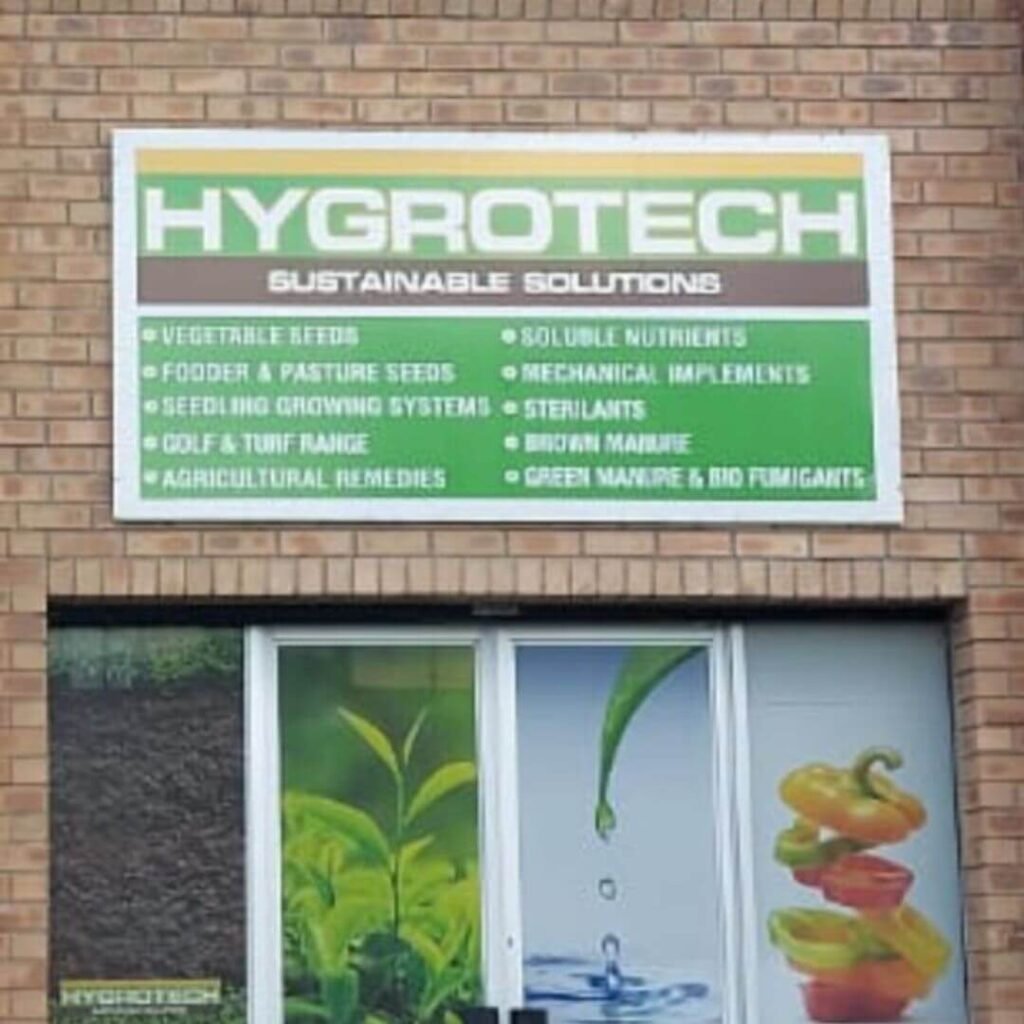
Hygrotech East Africa, a Kenyan subsidiary of South Africa’s Hygrotech (Pty) Ltd within the Zaad Holdings group, brings the agronomy: vegetable seeds (onion, among others), crop nutrition, and technical advisory delivered through stockists, agrodealers, and direct engagements.
Inside the Agridex Loam wallet: EURC, Solana, and the Architecture of Instant Settlement
The Loam wallet provides the infrastructure for agri-finance trade. The platform mainly banks on EURC, a MiCA-compliant virtual asset regulated under the European Union’s Markets in Crypto-Assets framework. Through this stablecoin payment system, Hyrgotech focuses on securing seed inputs at lower costs.
Agridex itself operates as a blockchain-enabled digital marketplace powered by Solana. The platform offers supply chain SaaS and represents transactions as NFTs that store deal metadata. It’s a viable solution for provenance, auditability, and documentation. From this context, tokenizing agricultural assets turns individual trades into verifiable, shareable receipts that support transparent logistics and finance.
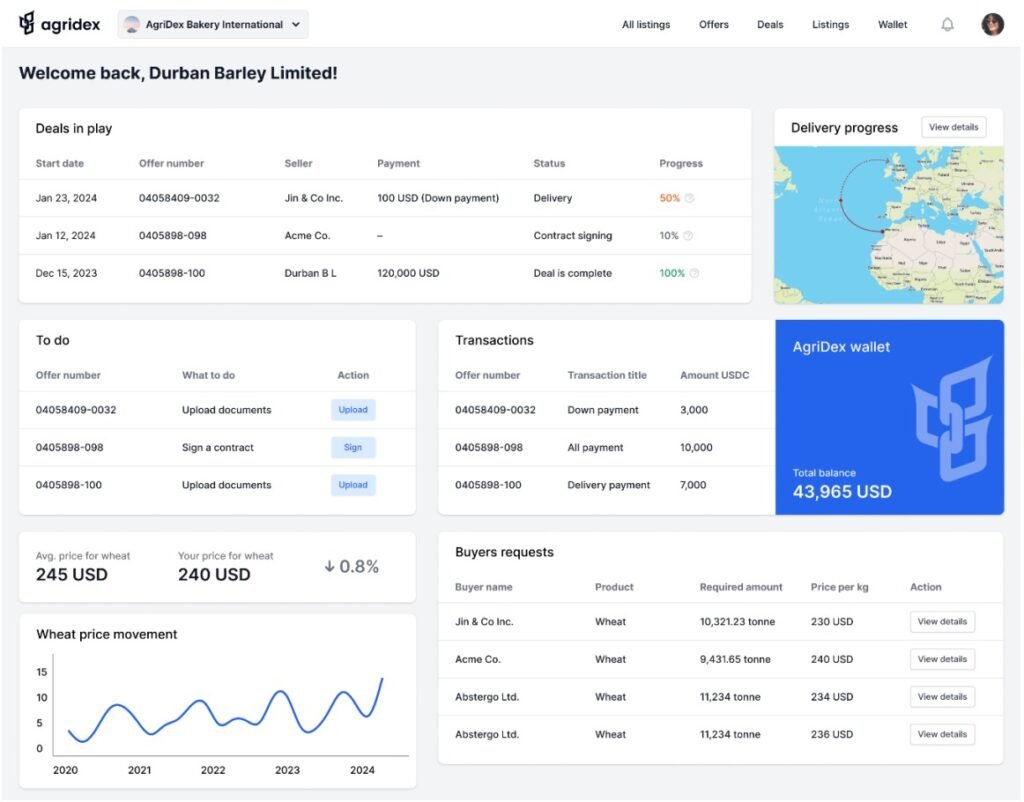
Some of the company’s product stacks include web dashboards, mobile‑ready access, and tools for compliance reporting, designed to interoperate with stablecoin‑based settlements. Loam’s regulated rails connect global suppliers with local programs; in this particular scenario, it’s Mombasa Cement and Bakker Brothers.
It’s an end-to-end approach delivering training, inputs, and a structured market, creating a new backbone for strengthening both livelihoods and domestic food production. Both platforms enable practical agritech solutions to move from theory to field. Their certified inputs, training, and market access complement the agronomy side, while real‑time settlement, documentation, and compliance tooling are tailored to its finance side.
FOLLOW UP: Antugrow Is Putting Farm Credit On-Chain, and 500 Global Accelerator Took Notice.
Why stablecoin payments matter in the field
Stablecoin payments have become a popular narrative within Africa. Currently, institutions and retail investors bank on stablecoins as a better alternative for mobile money transactions. The Loam wallet compresses settlements from days to near‑real‑time, which helps buyers lock in supply quickly and predictably. In agriculture, where seasons and weather don’t wait, that timing advantage is strategic.
This directly impacts food security outcomes. It also clarifies how using crypto in agriculture can operate responsibly:
- EURC is regulated under MiCA, offering a compliance‑first design.
- Loam’s workflow removes friction in document exchange and cross‑border banking.
Policy alignment and path to scale
Kenya has successfully refined its blockchain adoption policies. In October, the newly enacted Virtual Assets and Service Providers Act (VASP) established a comprehensive legal framework for virtual assets. Now the Central Bank of Kenya and the Capital Markets Authority stand at the top of the regulatory food chains. It’s the culmination of a steady journey that incorporated regulatory sandboxes, hackathons, and government bodies encouraging digital assets.
From a market‑building perspective, this blueprint scales in two ways:
- Operational: Improved provenance and documentation, enhancing trust among importers, suppliers, and farmer programs.
- Social: pairing digital rails with agritech solutions for smallholder farmers—like certified seed access, training, and structured offtake—links finance to real livelihoods.
- Compliance‑first design: MiCA‑compliant EURC and Kenya’s sandbox/VASP framework show that innovation and oversight can advance in tandem.
This is a tangible step towards redefining agri-trade finance anchored in practical uses of agriculture and blockchain.
Discover more from Web3Africa
Subscribe to get the latest posts sent to your email.

You must be logged in to post a comment.