





TL;DR,
- PayPal investment of $100M targets African fintech infrastructure through minority stakes and acquisitions.
- New $100M fund supports startups with capital, market access, and PayPal’s APIs, yet raises questions of corporate dominance.
- PayPal’s dual strategy combines genuine financial support for local innovation with strategic positioning to potentially dominate Africa’s digital payment backbone.
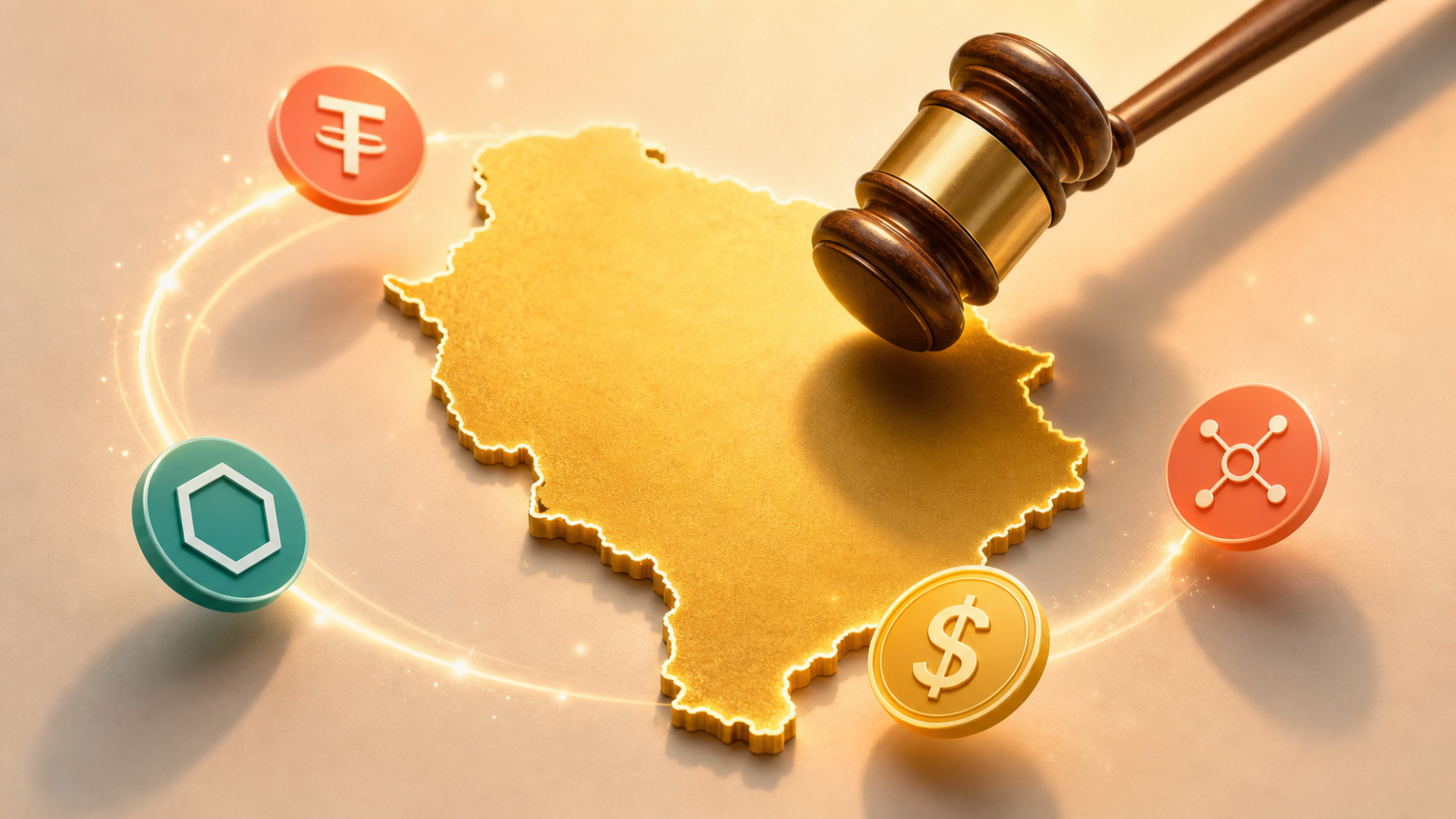
PayPal’s fresh $100 million fintech investment fund dedicated to Africa and the Middle East takes the global payment platform ahead of its competition. The PayPal investments focus on acquiring minority equity stakes, potential acquisitions and providing further funding via PayPal Ventures.
However, is this an effort to nurture the region’s start-ups, or a long-term chess move for eventual dominance? For most clever corporate strategies, the truth often lies between benevolent support and speculative position.
Following the Money: Tracking PayPal’s $100 million fintech investment fund.
As per the official announcement, the $100m PayPal Investment will be deployed through a combination of direct investments and support from its CVC arm. The structured funding for startups introduces new players into broader markets under the banner of a strategic influence.
Africa’s recent fintech hype has led to a significant rise in local startups integrating new technologies like stablecoins and even cryptocurrency. Utility is the basis of most of these innovations; however, scaling becomes a formidable storm, sinking even the most ingenious solutions.
The Middle East and Africa are home to some of the most dynamic and rapidly evolving businesses in the world. By dedicating a $100 million investment to this region over the coming years, we’re investing in the technologies, partnerships, and solutions that will help entrepreneurs scale faster, expand their reach beyond borders, and unlock new opportunities for growth in the digital economy.”
– Alex Chriss, President and CEO, PayPal
The move is more than a one-off deal; instead, it creates a pipeline consolidating one regional strategy. Typically, PayPal executives talk about “unlocking opportunity” and “scaling markets,” phrases that sound uplifting but often mirror deeper integration.
For founders wondering how to get funding from PayPal betures its criteria are pretty straightforward.
RELATED: Stablecoins Meet M-PESA: Kenyan Mobile Money, Mpesa Adds PayPal
First and foremost, the main focus of PayPal is fintech and payment rails, focusing on organizations that are technically the bridge of cross-border transactions. This, however, doesn’t limit the scope. Digital assets have taken root in Africa; hence, if stablecoins are part of your services, you are likely to gain the attention of the global payment fund.

Additionally, if your API’s, wallets or payment gateways complement the PayPal global network, it’s far easier to pass the criteria. One last factor is performance; having a steady and viable network is a must.
Funding for startups or a Platform for taking over Africa’s Fintech?
There’s no denying it, PayPal has a plan for Africa. So far, PayPal’s existing portfolio intrigues clues about its strategy. Stitch received $55 million Series B round, where PayPal participated. The platform is building a payment infrastructure with describing its ambitions as the “Plaid/Stripe of Africa.”
Paymob, another recipient of PayPal capital, processes payments for over 350,000 merchants across multiple countries. The pattern expands with PayPal offering its PYUSD stablecoin in Africa, adding another competitor for USDT and USD.
For the most part, when larger firms invest in small startups, they often insist on some strategic influence. Factors like product integrations(accessing PayPal’s more sophisticated API), market access terms, or data sharing agreements compile. Add enough strings, and suddenly “partnerships”, “investors” start to look suspiciously like curation of an entire ecosystem.
It’s a careful orchestrated market entry behind opportunities for investments. Don’t mix up the $100 million fintech investment fund is PayPal’s largest single regional commitment and is an enabler. Small-scale firms gain access to funding, markets and insights previously unavailable.
“This commitment underscores our dedication to expanding PayPal’s presence in the Middle East and Africa, and our focus is to build stronger connections between local businesses and the global marketplace. We’re focused on expanding our footprint in the region and ensuring millions of consumers and businesses can access more of the digital services they need to thrive.”
– Otto Williams, Senior Vice President, Regional Head and General Manager, PayPal Middle East and Africa
We cannot sugarcoat it: big capital doesn’t arrive without ambition. Paypal’s track record in developing shows it’s become a friendlier funder. Africa’s market doesn’t consider the US entry. While the global platform has opened its services for Africa, many opt for local startups due to various perks, cheap fiat conversions.
An instance is the PayPal-TerraPay collaboration, with the local startup linking mobile wallet and bank users to seamlessly transfer funds to PayPal.
RELATED: The $3 Trillion Opportunity: PayPal Opens Crypto Floodgates for Merchants
The $100M Question, Rephrased
The big question for this story is Nurturing or Takeover? The best answer is both. Paypal investment brings genuine resources to regions often overlooked. Startups gain capital, credibility and access to global markets. For PayPal, it’s a steady footprint on Africa’s digital payments backbone.
Think of it as a quid pro quo relationship, one that many investments live by. Africa’s ecommerce growth is visible, and getting in early makes the difference between the top platforms and quiet exits.
Discover more from Web3Africa
Subscribe to get the latest posts sent to your email.

You must be logged in to post a comment.