









TL;DR,
- Stablecoins cut average $200 remittance costs 60%, accelerating African Financial Services adoption.
- Open Web3 rails enable faster, cheaper, transparent payments and on-chain credit across cards, mobile money, and stablecoins.
- Real players—Flutterwave, Yellow Card, Pezesha, Bitsika—prove programmable money is scaling inclusion and SME lending across the continent.
Web3 and its numerous applications are redefining tech and various industries in real-time. Decentralized applications have become more mainstream today, creating new opportunities for developers, investors, and the entire Web3 community. Crucially, these shifts are transforming African Financial Services by enabling faster, cheaper, and more transparent value transfer built on open infrastructure rather than closed banking rails.
Moreover, as governments explore the integration of digital assets into their economies, adopting DeFi systems continues to accelerate, painting a hopeful future for African financial services. Below, we dig into concrete use cases, cost dynamics, remittance improvements, anti-fraud mechanics, and the regulatory/market momentum making this transition inevitable.
How Digital Currencies Sparked a Continent-Wide Shift for African Financial Services
Digital assets have become a trend among organizations, startups, and governments. With Bitcoin’s steady success as a financial entity, many have opted to apply its underlying tech improvements to their own systems.
The first application of Web3, Bitcoin, initially strived to provide a better and alternative financial service without the unnecessary control and supervision of centralized systems. This blossomed to inspire many successful African financial services.
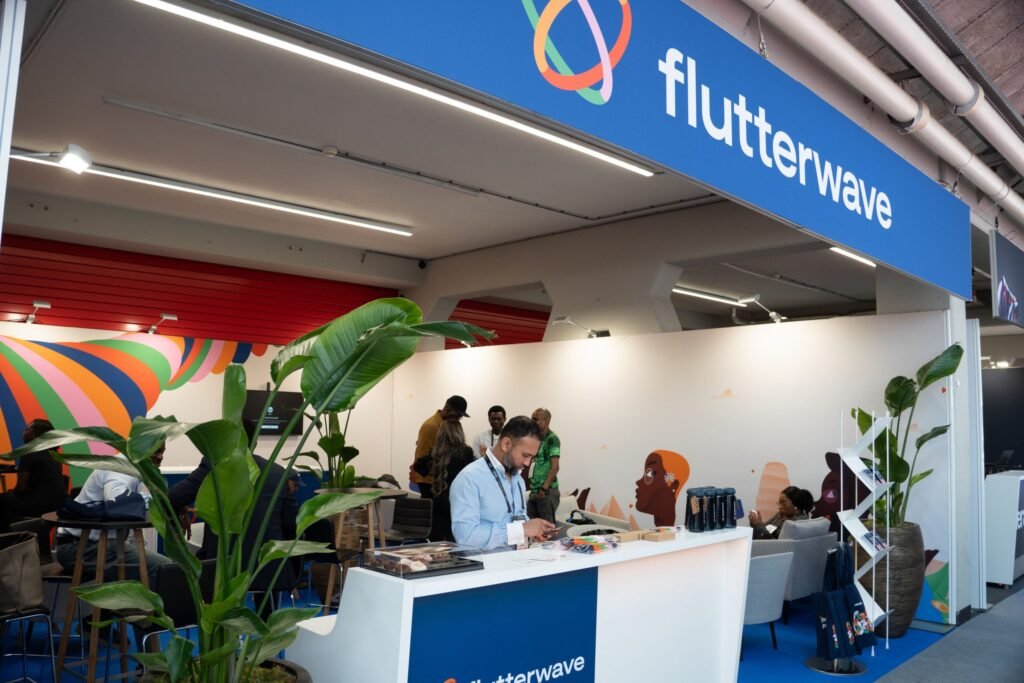
One of the clearest signals that Web3 rails are moving into production. Flutterwave (founded in 2016 to provide payment infrastructure via APIs) has become one of the continent’s standout fintech unicorns. In just over a year after launching, it had already processed $1.2 billion across 10 million transactions.
Entrepreneurs across the continent have leaned in: Bitsika, Pezesha, and Yellow Card have followed suit, reshaping access, liquidity, and settlement speed. The latter secured one of the region’s largest funding rounds with $33 million, bringing its total to $88 million.
FOLLOW UP: Africa’s Fintech Trifecta: Circle, Flutterwave & Yellow Card Join Forces
The result is a step-change in inclusion and utility, particularly for users previously underserved by legacy banking. The rise of DeFi platforms for financial inclusion has a clear impact. Africa’s fintech sector is projected to hit $65 billion in annual revenues by 2030 (32% CAGR).
Although this begs the question: How did Blockchain technology evolve African financial services in less than a decade?
The Fintech Revolution: Web3’s Answer to Africa’s Banking Gap
Bitcoin’s decentralized, immutable, and available nature inspired many to test the boundaries of its capabilities. This led to several new iterations of digital assets, such as Altcoins, CBDCs, and stablecoins. However, the development of Web3 payment solutions truly made a mark, ushering in a new era of Fintech startups designed to cater to Africa’s low financial inclusion rate.
Below are several key ways in which blockchain supersedes and evolves traditional financial systems:
Transparency, Availability and Security
One of the first vital elements DeFi systems emulate is their ability to safeguard user information, funds, and transactions from your mobile phone. With Africa still developing, most of its population is clustered and scattered throughout the region.
Inaccessibility to banking has long been an issue, with many systems concentrated in urban areas. This discouraged citizens in rural regions, hindered international transfers, and created security risks.

Fortunately, with blockchain technology, these issues are a thing of the past.
Pezesha showcases this automation in SME lending: predefined terms trigger disbursements and repayments on-chain, lowering operational risk while expanding access to first-time borrowers.
In a related push, UNCDF partnered with Pezesha to explore crowdfunding that channels remittances into productive local investments in Ghana. This served as a bridge facilitating diaspora flows with local asset building.
[inline_related_posts title=”Your next read:” title_align=”left” style=”grid” number=”4″ align=”none” ids=”” by=”categories” orderby=”rand” order=”DESC” hide_thumb=”no” thumb_right=”no” views=”no” date=”no” grid_columns=”2″ post_type=”” tax=””]
Slashing the Cost: How DeFi is Beating Traditional Fees
The age of digital money swept across Africa before transversing throughout the globe. M-Pesa quickly became a popular option among East Africans due to its accessibility. Traditional banks offered broader services, but with each came additional transaction costs.
M-Pesa offered a better alternative but also faced several issues regarding its transaction costs. Due to the automation of smart contracts, Blockchain or DeFi systems cut down complex supply chains by more than half. That’s precisely how blockchain reduces transaction costs by creating a direct connection between sender and receiver.

Exchanges like Yellow Card—now leaning heavily on stablecoins—are operationalizing this at scale.
Revolutionizing Remittances: Faster, Cheaper Money for Home
For the unaware, remittance services involve transferring money by foreign workers back to their home countries. This is a vital service for most African homes.
Unfortunately, the fees, long processing times, and long transaction times when dealing with traditional banks often discourage many from sending them back to their families. With the power of blockchain technology, African financial services have significantly improved.
For example, SureRemit offers a non-cash remittance service that allows users to send crypto vouchers that can be used directly to pay bills, school fees, and medical services in several African countries. For cross-border remittance, stablecoins reduce fees, compress settlement times, and ease access via smartphones and the open internet.
A Shield Against Siphoned Funds: Curbing Fraud with Smart Contracts
One of the major issues contributing to Africa’s slow development phase is the amount of corruption most nations face. This vice has eaten away at most African countries, leading to an economic, political and even, in some cases, social decline.
[inline_related_posts title=”To build on your interest in” title_align=”left” style=”grid” number=”1″ align=”none” ids=”” by=”categories” orderby=”rand” order=”DESC” hide_thumb=”no” thumb_right=”no” views=”no” date=”yes” grid_columns=”2″ post_type=”” tax=””]
For instance, VBS Mutual Bank in South Africa shut down due to its massive internal corruption, which led to several fraud scandals. According to Daily Maverick, several bank officials and directors indulged in fraudulent activities, siphoning several billion from municipal investments.

Pezesha, a Kenyan DeFi platform, utilizes this feature to automate lending services. The contract automatically handles the disbursement and repayment of loans based on predefined terms, reducing the risk to management.
Bitsika implemented blockchain services to provide a decentralized money transfer service across Africa. This diminishes the control of any single individual or group over the system, curbing any corruption attempts.
The next decade of programmable money in African Financial Services
The ultimate goal for many of these platforms is to eradicate financial exclusion. The rise of DeFi platforms for financial inclusion is making this a reality. For instance:
- Dollar-based settlements for exporters, freelancers, and platform payouts using USDC/regulated stablecoins.
- On-chain SME credit using automated underwriting and programmatic collections (e.g., Pezesha’s model).
- Compliance-aligned payment aggregation integrating cards (AfriGo), mobile money, and stablecoins in unified checkout.
- Consumer and B2B treasury products that hedge FX exposure while leveraging instant settlement and transparent audit trails.
The most valuable companies of the next cycle will be those that turn programmable money into everyday financial superpowers across African Financial Services.
Discover more from Web3Africa
Subscribe to get the latest posts sent to your email.

You must be logged in to post a comment.