











TL;DR,
- The US bitcoin ETF approval triggered a price surge, opened doors for institutions, and signals Africa’s need for clear digital asset regulation.
- For Africa, ETFs bring opportunities: legitimized investments, diversified treasuries, taxable revenues, and expanded access to digital assets.
- The ETF framework offers African regulators a tested model for cryptocurrency regulation, enabling financial institutions to diversify into digital assets.
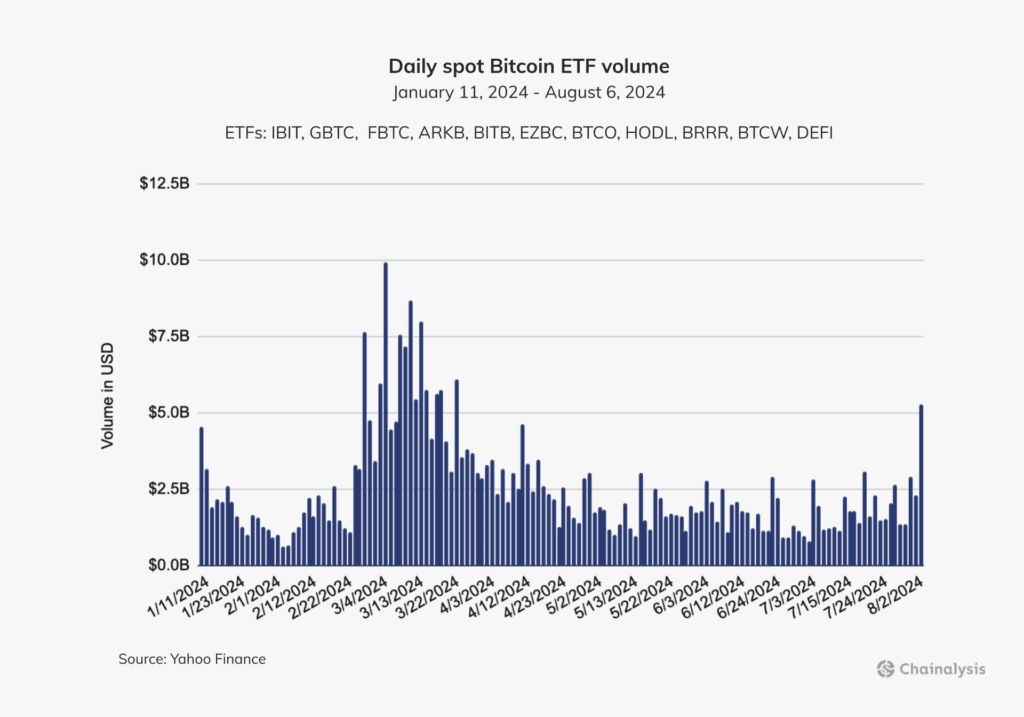
The introduction of US bitcoin ETFs has led to a notable price increase. This rise is expected to influence other cryptocurrencies, generating significant interest in digital currencies.
ETFs generally allow investors access to Bitcoin without direct ownership. Think of it as a safety net over cryptocurrency, enabling traditional stock exchanges to add it.
Since its founding, crypto trading has continued to become an “underground” but open activity in many regions where legal frameworks are unclear. This situation underscores the need for reliable partners and emphasizes that financial products do not hinder cryptocurrency investment.
Implementing clear regulations on cryptocurrency and digital assets is crucial for African economies. Clear regulations, even if stringent, enable financial institutions, investors, and citizens to diversify into digital assets without the risk of exploitation by illegal entities.
Why Bitcoin ETFs Matter for Africa
Proactive regulation in the African markets has three advantages. First, the approval of bitcoin ETFs by US agencies sets a precedent that at least one asset class is suitable for retail financial products.
This is a strong example for regulators who wish to align with US policies and counter any opposition from international development organizations or NGOs regarding cryptocurrency acceptance.
RELATED: Bitcoin as a Reserve Currency: Africa’s Financial Future or a Volatile Gamble?
Second, by allowing the US to take the lead, African markets can benefit from the data and research generated by these ETFs’ performance. This approach lightens the regulatory burden and accelerates the timeline for introducing cryptocurrency rules tailored to African markets.
Setting the Stage for African Growth
Relying solely on access to US crypto ETFs via cross-listing on African exchanges is a tempting but insufficient solution. Western banks and fintechs underserve Africans.
While access to US crypto ETFs addresses one issue, it prevents Africa from becoming a global leader in advancing financial technologies. The continent that pioneered mobile money, which laid the foundation for digital financial exchange, should also lead the discourse on digital value exchange.
It’s practical knowledge that the US is among the globe’s leading trend setters, and the Bitcoin ETFs are the green check the market waited for. Typically, ETFs are listed investment products that track specific indices, shares, bonds or commodities.
Adding Bitcoin into this category and on the New York Stock Exchange and Nasdaq provides a credible precedent for exploring institutional crypto investment strategies. Crypto holders celebrate this development, including those in Kenya, where approximately 6.1 million people own cryptocurrencies, predominantly Bitcoin. East Africa has 12 million cryptocurrency investors. Bitcoin ETF approval in the US is promising for these investors, allowing higher profit margins.
Large banks, pension funds, and corporations can now dip millions into Bitcoin without fear of sudden crashes. In the US, it’s the first step for other frontiers, such as a crypto taxation framework with ETFs having better reporting metrics than standard markets.
As per the 2022 Geography of Cryptocurrency report by Chainalysis, many local holders rely on crypto trading to make ends meet. Conversely, local startups like Busha, Quidax and Yellow Card have cropped up to facilitate day-to-day transactions and fiat conversion for this market.
In a nutshell, the Bitcoin ETF is a massive sign that digital assets are here to stay. Institutional crypto investments have developed, prompting the need for better digital asset regulation. In regions like Nigeria, where crypto transactions account for surpassing the $20 million mark, developing frameworks could stabilize overreliance.
Africa’s Opportunity in the Digital Asset Era
Not all crypto enthusiasts embrace ETFs. Many purists argue that converting Bitcoin into a centralized ETF defeats its founding principle of decentralization. They’re not entirely wrong: ETFs do increase state oversight and institutional dominance.
Institutional crypto investment provides African businesses a chance to diversify their treasury strategy via ETFs rather than direct crypto custody. This factor is still speculative, given the sheer capital required. However, we do not need to choose between ideals and innovation; what matters to most Africans is utility. Bitcoin remains a valid store of value, better than the USD dollar and far better than local fiat.
For regulators, this is a clear green light to rethink their digital asset regulation standard. Many countries still have a murky relationship with digital assets; however, their practicability is showcased daily by local startups. A standard crypto taxation framework is gold to economic development, tapping into an economy radically rising.
RELATED: Bitcoin etf options Approval: Bold Move for Crypto Markets
Discover more from Web3Africa
Subscribe to get the latest posts sent to your email.
You must be logged in to post a comment.