

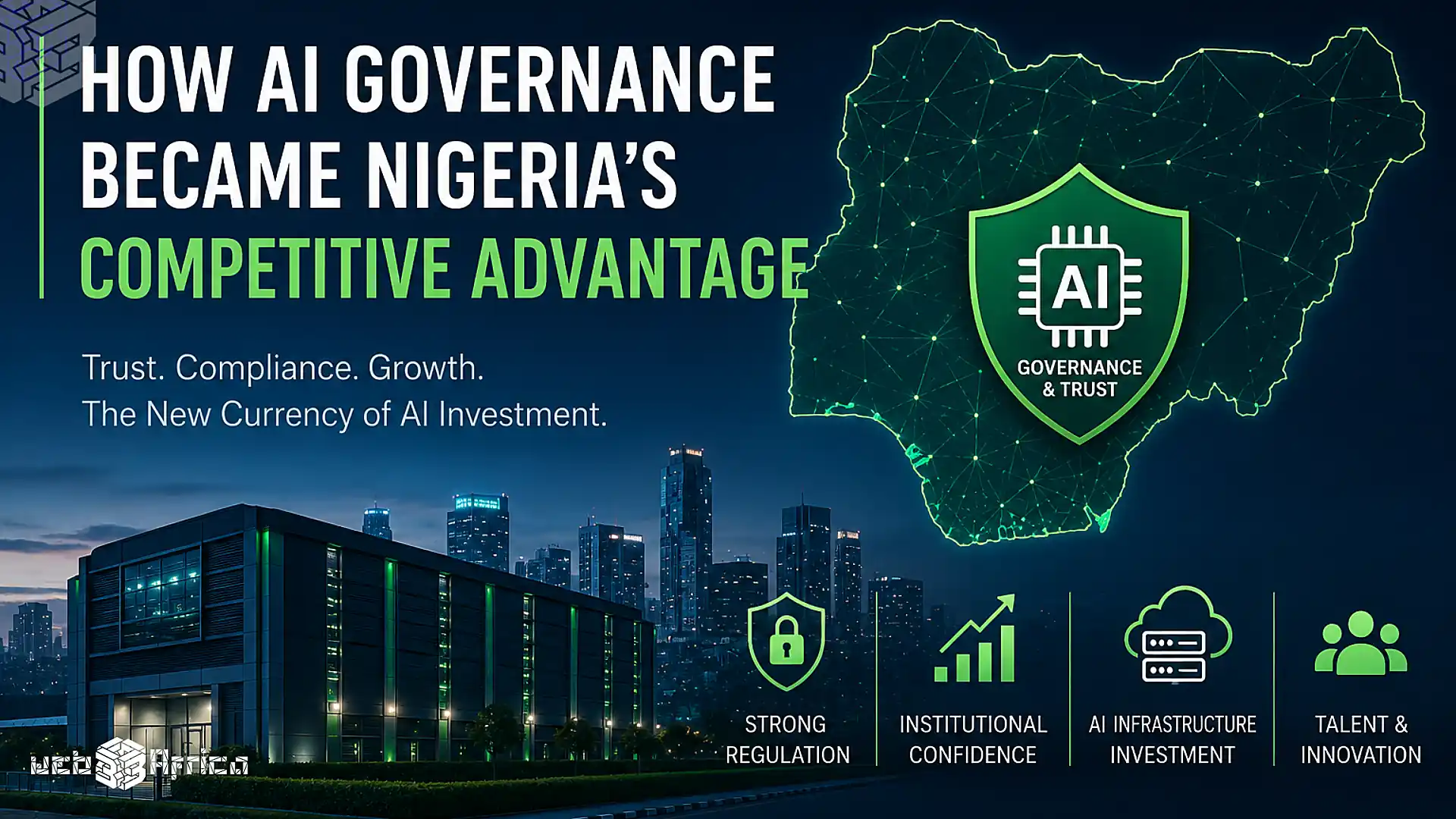





Nigeria’s AI Debate Has Moved Into Enforcement
The real rulebook for Nigeria AI compliance is already in motion. From consent rules to DPIAs and cross-border transfer checks, compliance is becoming the foundation of AI deployment.
Nigeria AI strategy meets the real bottleneck in public data infrastructure. Read how data fragmentation, agency rivalries, and missing exchange layers could shape AI delivery.
Retail speculation has given way to institutional financial plumbing in crypto. Digital assets are essential business infrastructure with stablecoin transactions exceeding $33 trillion and Nigeria dominating regional inflows. Learn how asset tokenization and institutional DeFi are transforming Africa’s capital markets.
The CapitalSage Chimoney acquisition details reveal a new playbook for Fintech M&A Africa. Instead of building Canadian approvals from scratch, buyers may value registration history, compliance systems, and speed to market.
After adding Ripple’s RLUSD to its 34-country network, Flutterwave promises near-instant settlements. Does on-chain speed equal real-world efficiency? Flutterwave cross-border transfer fees, the last-mile fiat off-ramp’s hidden challenges, and what corporate treasurers should know before abandoning SWIFT are examined in this deep dive.
The Central Bank of Nigeria is moving from a crypto ban to PSV 2028’s regulated stablecoin framework due to naira depreciation. This analysis explains digital dollarization, deposit displacement, and how CBN RegTech surveillance seeks monetary sovereignty without destroying USDT.
Stablecoin regulation is now a custody battle across Africa. This analysis explains how Kenya, Nigeria, and South Africa are shaping reserve rules, VASP licensing, and cross border crypto compliance, and why the cost of operating across multiple markets is rising
Nigeria’s PSV 2028 is reshaping B2B stablecoin payments by signaling a regulated path for imports and cross-border settlement. This analysis explains what changed, how the licensed-intermediary model may work, and why reserve custody and FX pricing still matter.
For decades, financial inclusion meant having a bank account. However, strict FX allocation limits in Africa often prevent “banked” users from accessing the global economy. Digital wallets, virtual cards, and stablecoins are replacing slow correspondent banking with instant, borderless connectivity, redefining financial inclusion.
Crypto virtual cards promise global spending, but African users encounter hidden conversion fees, KYC limits, and frustrating billing workarounds. This deep dive shows the true cost of switching from USDT to fiat and why mobile money is best for daily transactions.