








TL;DR,
- Nigeria is creating a single fintech regulation authority (NFRC) to streamline oversight of its $59 billion digital asset market, replacing multiple regulators.
- The proposed NFRC bill aims to replace fragmented oversight from the CBN, SEC, and others with a single gateway for licensing and enforcement, speeding up approvals and reducing legal costs.
- For startups, the new fintech regulation means clearer rules but stricter compliance, including mandatory tech audits, dedicated legal teams, and demonstrable Nigerian ownership.
As 2025 draws to a close, Nigeria continues to double down on its efforts to regulate its growing dependency on digital assets.
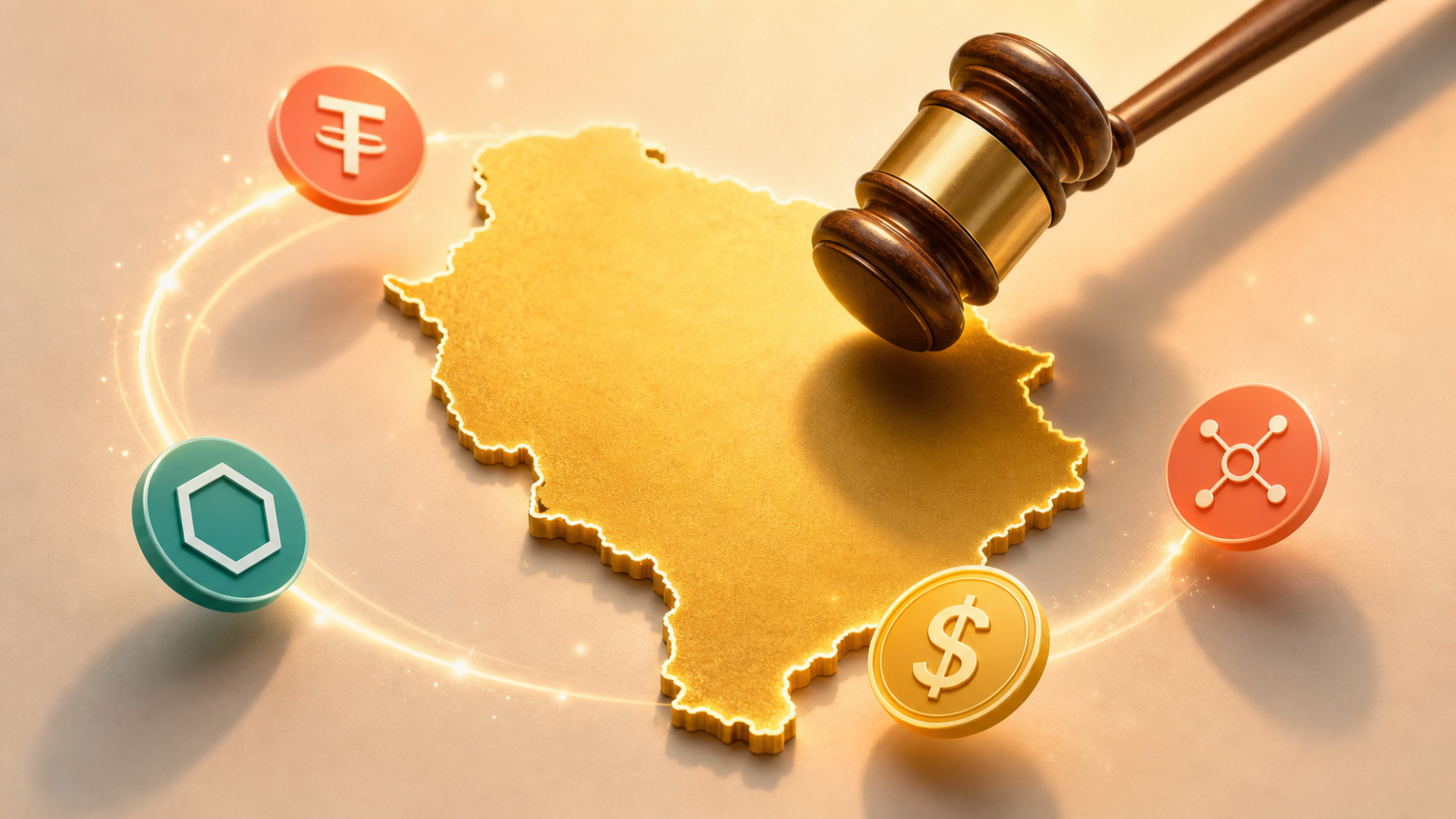
In recent news, the region’s House of Representatives debated over creating a unified fintech regulation called the Nigerian Fintech Regulatory Commission (NFRC). The proposed bill would be a unified gateway replacing overlapping oversight from the CBN, SEC, NITDA, NDIC, and others.
According to inside sources, the bill would issue clear, activity-based licenses and set sector-wide standards for operations, consumer protection, and interoperability.
Nigeria’s next chapter in fintech regulation
Fintech licensing in Nigeria is especially important with the growing number of local startups fueling its $59 billion digital asset market. Hon. Fuad Kayode Laguda, a Lagos State representative, has sponsored legislation to establish the Nigerian Fintech Regulatory Commission (NFRC).
The NFRC bill passed its second reading and is now in committee review, with no confirmed timeline for further passage. Its sole purpose is to unify Nigeria’s fragmented mandates, which offer different legislative powers and duties to four regulators. The bill focuses on providing digital finance firms one door for authorization, audits, and enforcement.
FOLLOW UP: Nigeria Records $50B in Crypto Transaction Volume and the SEC’s Call to Channel Risk Productively
Currently, most fintech startups must go through CBN’s payments rules, the SEC’s capital markets and digital assets rules, NITDA/NDPC’s data protection regime, and FCCPC’s consumer standards. Knowing African regulatory bodies, each process consumes considerable time and legal fees and avoids “unique” accountability issues where processing is stalled over months.
What the NFRC bill proposes
The proposed fintech regulation will handle the multitude of regulatory checks.
This includes introducing both individual and class licenses tailored to specific activities such as payments, lending, cryptocurrency, crowdfunding, or regulatory technology (regtech) services. This also includes handling noncompliance risks such as license suspension or revocation and following up on delayed fees.
The bill also mandated heavier governance and operation requirements by having a dedicated compliance team and legal counsel, continuous technology compliance audits, and demonstrable Nigerian participation in ownership and management. Simply unifying the fragmented regulatory powers isn’t enough; it’s more about raising the bar when it comes to fintech compliance.

Furthermore, with clear performance standards, dispute resolution processes, data use rules, consumer protection codes, and service quality benchmarks, it reduced ambiguity in day-to-day operations. This consolidates power to a single authority, which will be in charge of conducting public and private inquiries, compelling disclosure, and publishing compliance findings.
FOLLOW UP: The Nigerian Code Rush: From Zero to a Global Web3 Powerhouse
A single comprehensive fintech regulation maintains market fairness, ensuring power surveillance to prevent anti-competitive practices (e.g., predatory pricing or collusion). This could curb abusive loan recovery tactics that have plagued some digital lending apps.
Local fintech startups have increased over the years, and 2025 has witnessed its highest growth given international investments from Lisk, Base, and Ethereum. So, the law gives the NFRC the power to make sure that local research and development investments happen, and that Nigerians are involved in owning and managing these projects Foreign operators’ participation could be approved or rejected based on fairness and reciprocity principles.
[inline_related_posts title=”READ MORE ON: ” title_align=”left” style=”grid” number=”4″ align=”none” ids=”” by=”categories” orderby=”rand” order=”DESC” hide_thumb=”no” thumb_right=”no” views=”no” date=”no” grid_columns=”2″ post_type=”” tax=””]
How will Fintech licensing in Nigeria change?
While Nigeria has improved in regulation, it’s still fragmented. The CBN’s specific authority over fintech extends to licensing and supervising Payment Service Banks (PSBs), Payment Service Providers (PSPs), Mobile Money Operators (MMOs), International Money Transfer Operators (IMTOs), and other entities engaged in payment and financial services.
The SEC governs capital-market-facing fintech and digital assets (with ISA 2025 recognizing virtual/digital assets as securities and onboarding via the Accelerated Regulatory Incubation Program (ARIP)).
The National Information Technology Development Agency (NITDA), through the NITDA Act 2007, the Nigeria Data Protection Act (NDPA) 2023, and the Nigeria Data Protection Regulation (NDPR) 2019, holds the power of Nigeria’s data protection regulation. A heavy factor to consider is that fintech can handle sensitive information like wallet addresses, banks, and other vital information.
The Federal Competition and Consumer Protection Commission (FCCPC) and the Nigerian Communications Commission (NCC) also play a part in Nigeria’s current fintech regulation framework by policing fair competition and consumer protection and telecom-linked rails like USSD, respectively.
The NFRC’s single gateway could unify licensing decisions, consolidate guidance, and standardize enforcement. Observers may compare the centralization approach with West African fintech regulation trends, but the bill’s impact will ultimately be measured by reduced overlap and faster, clearer approvals.
Startups should anticipate upfront legal budgets, ongoing technology audits, and established governance structures from the start. A single authority also means increased observations, stricter compliance regulation, and faster processing. Consumer protection will improve with the new fintech regulation setting protection codes and service quality benchmarks. This consolidates responsibilities from the CBN and FCCPC, reinforcing Fitch compliance.
Discover more from Web3Africa
Subscribe to get the latest posts sent to your email.

You must be logged in to post a comment.